Enjoy practical tips, new insights, and unique ideas from our monthly DGT™ Newsletters
Each newsletter offers new ways to get children to think of others. You’ll find simple service ideas, kindness-themed book suggestions and pointers for starting discussions with children about specific social issues.
Read our latest issue of the Doing Good Together™ Newsletter:
Subscribe to our DGT™ Family Volunteer Opportunities Listings
Find family volunteering opportunities in your area
Refer to these monthly listings on our website, or subscribe to receive them in your email inbox.

We offer tips and ideas for family volunteering in other cities too!
Want to have your city included in our listings? Contact us to learn more about becoming a DGT™ Family Volunteer Coordinator.
Stay up to date on our weekly Big-Hearted Families™ Blog
Be among the first to be inspired by DGT's newest tools, emerging research round-up, and concrete examples of DGT's mission in action.
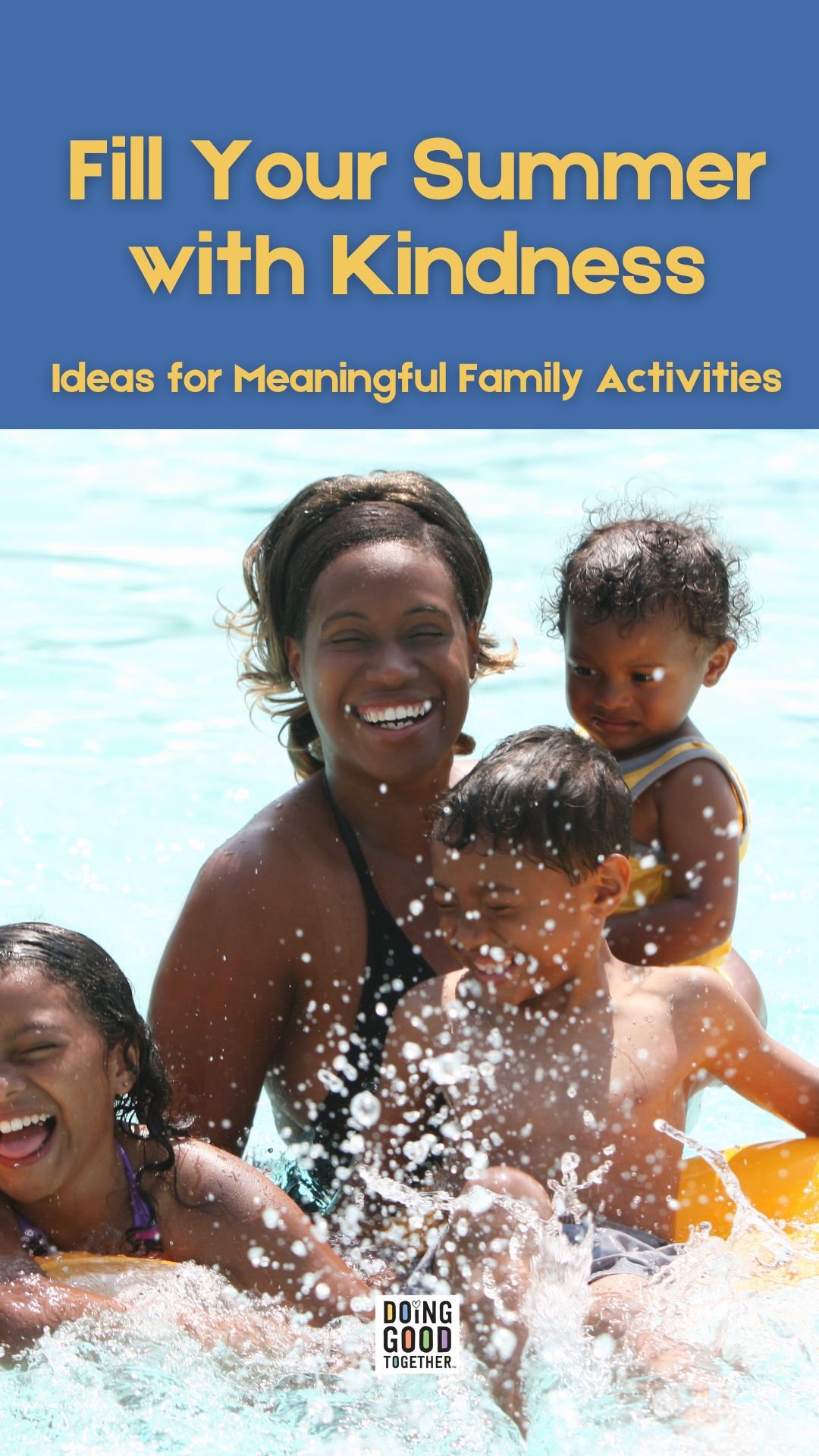
As you are mapping out your summer bucket list, Doing Good Together is here to help with ideas for meaningful kindness.
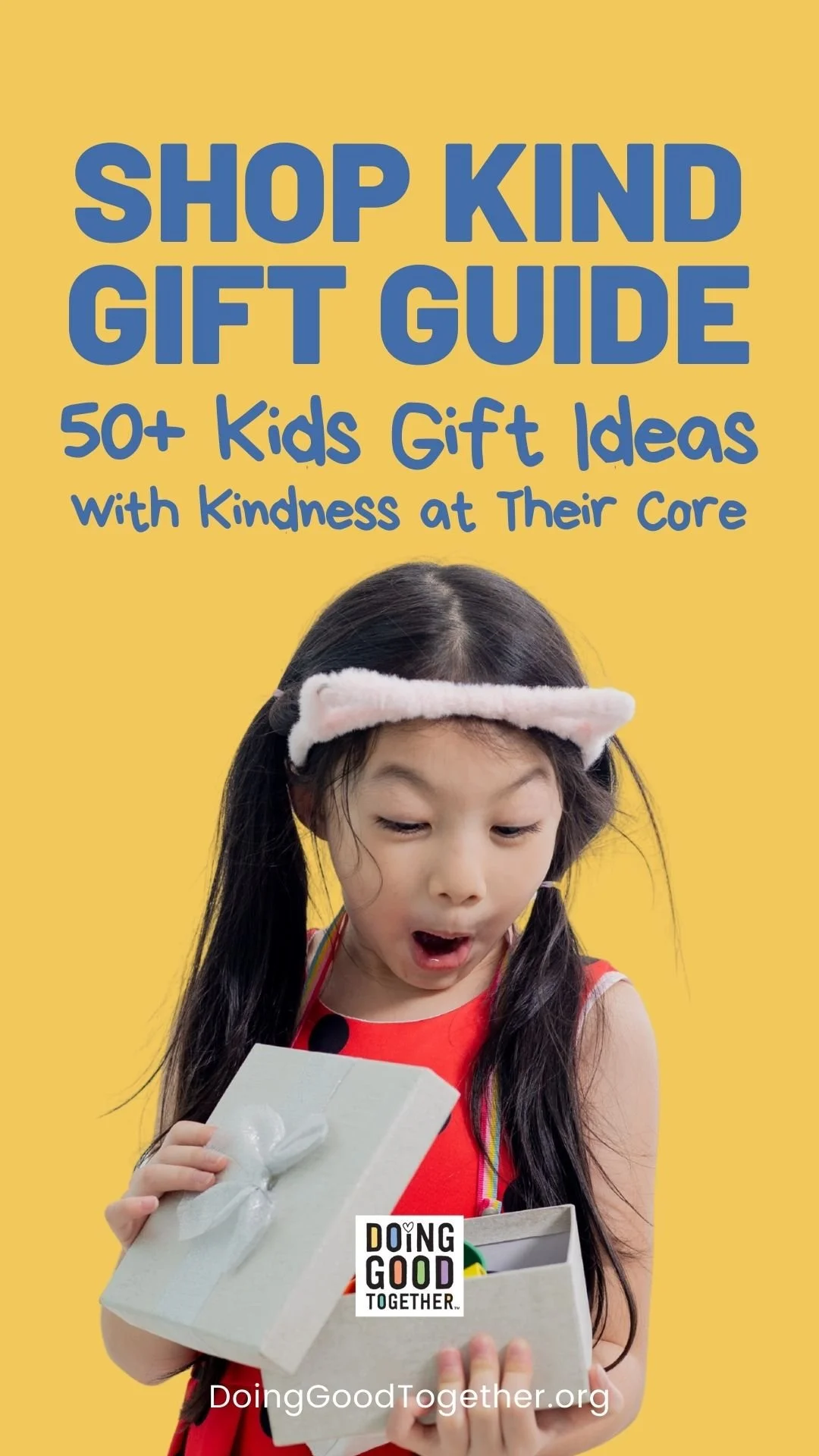
50+ kids’ gift ideas with kindness at their core! Gift giving opportunities pop up throughout the year, from annual holiday, birthday, and anniversary celebrations, to one-time milestone moments like graduations, major accomplishments, or just because. With the overabundance of consumerism in our culture, it’s natural for parents who care about the world to want to be mindful of what they're purchasing, not wanting junk to accumulate in their homes. That’s why we assembled this tried-and-true gift guide of favorite presents with kindness at their core. You’ll find special projects and tools that keep kids busy, encourage reflection, and encourage conversations; activities, items, and games that help them explore and understand the world around them; apparel that supports good causes, and more.
Everything is better with friends and a party!
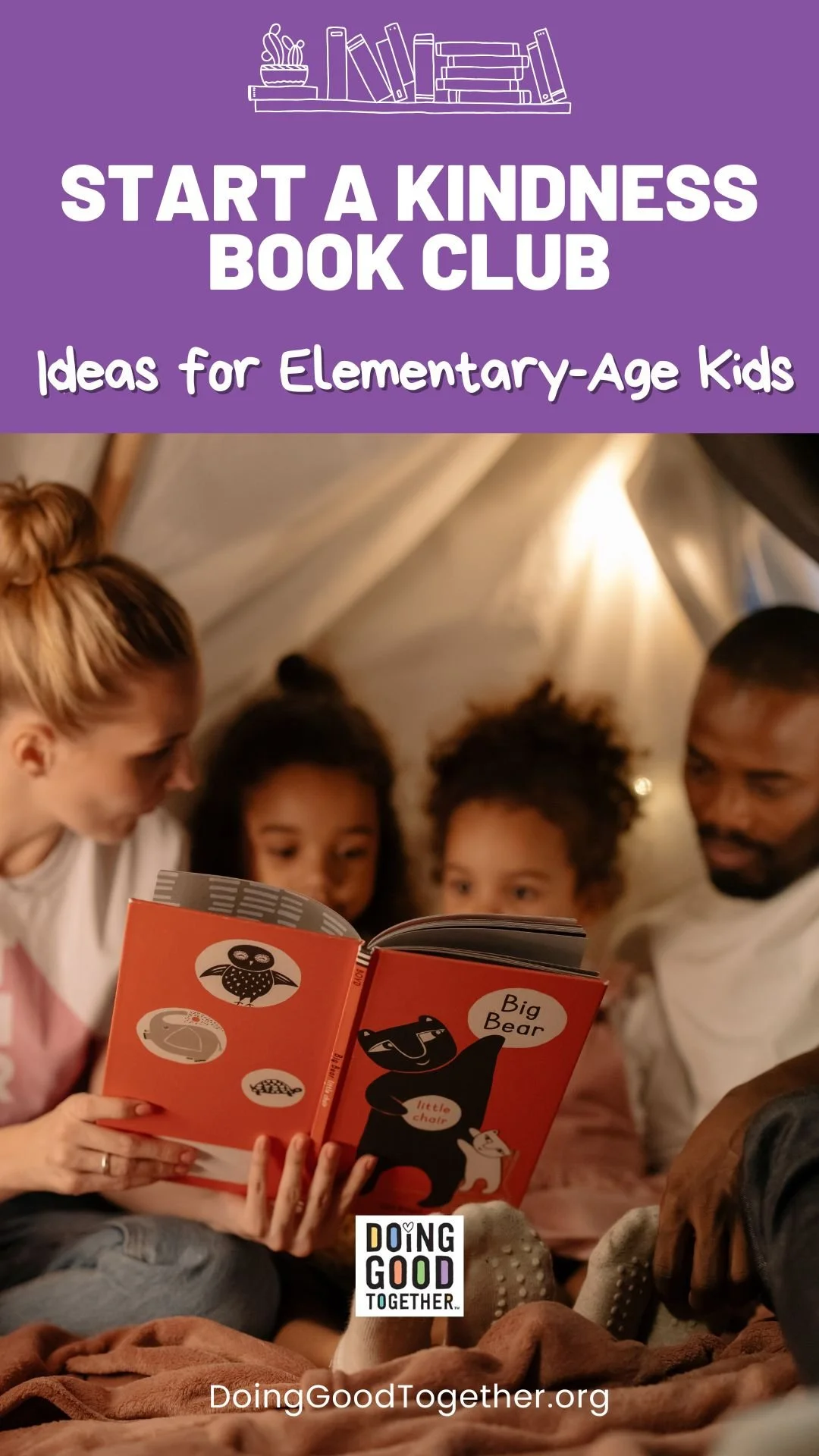
How about friends and a party and an amazing book? As a parent, September feels like a fresh start, a new year. It’s full of opportunity as the school year gears up along with a new season of activities and sports. I’m going to suggest one more thing to start this year - a big-hearted book party club!
Learn ways to include kindness lessons in educational settings and beyond! Through learning about kindness, children learn empathy and compassion and can begin viewing the world around them through the eyes of others as they appreciate diverse perspectives. By building kindness activities into regular educational practices, we prepare kids for life as an adult who cares and contributes to the world around them. If action speaks louder than words in early childhood, why not get their bodies, minds, and hearts involved in caring for their communities?
Learn ways to include kindness lessons in educational settings and beyond! Through learning about kindness, children learn empathy and compassion and can begin viewing the world around them through the eyes of others as they appreciate diverse perspectives. By building kindness activities into regular educational practices, we prepare kids for life as an adult who cares and contributes to the world around them.
Valentine’s Day often stirs strong feelings, often over-celebrated with material gestures. Our guest contributor shares how her view of the holiday was shifted by a homemade card, revealing the day's deeper potential. Learn how teaching young children about varied forms of love can foster empathy and enrich lives.
We might apply the idea of a “messy middle” to much of life–switching careers, engaging in social change, even parenting/family life itself. Most of our lives happen in this space, when you stop to think about it–we haven’t yet “arrived” at the metaphorical place of organization and tranquility, but are constantly evolving our processes to be responsive to needs. How might we help our children understand the messy middle–its necessity, its tension, its gift–in a developmentally-appropriate way?
As parents and caregivers, you likely know all too well the daily stressors you face. The surgeon general’s report outlines the specific challenges we face at each stage of a child’s development, from sleepless nights with newborns to navigating the troubled teen years. The stress doesn’t just affect us as parents, it spreads to impact the whole family unit. And when we worry that our stress is affecting our kids, the cycle feels never-ending. The surgeon general’s report calls attention to this vicious cycle and offers actionable ways to break it.
In today's fast-paced information cycle, issues are often presented as black or white, right or wrong. When parents actively listen and support diverse perspectives on various topics, from child care to nutrition, they model for children how to understand and appreciate differences, encouraging a more nuanced and empathetic view of the world.
Mental health experts recommend helping young people build an understanding over time of what they can and can’t control. Bringing the focus to “how we treat other people; what activities we do the next day; what goals we have; who we spend time with; how hard we try to do the best we can” is something we can start in middle childhood to build a strong frame of reference in adolescence.
Buckling up for a metaphorical bumpy ride from time to time as you enter a new job, experience a change in leadership, or encounter a developmental growth spurt is something that begins at birth and follows us until life’s conclusion. The winds of change blow strong. With children, we sometimes don’t see the changes themselves right away; instead, we see the impact of the changes in personal barometers of behavior and mood. How can we as supportive humans respond effectively to the need for change and see the purpose behind the disequilibrium?
People want and need to be seen. It is a fundamental characteristic of humans that we seek opportunities to connect with others in an authentic way. We want to feel noticed and valued as a member of the human community. We want to understand AND be understood. This connection is vital to our feelings of safety and happiness, and ultimately is foundational to our ability to work through challenges, think critically, be planful, and other executive function skills. How can adults use that in-born inclination to shine a light on actions that we wish to reinforce in our children?

July brings warmth, sunshine and the full summer experience. The hallmark of July is the warmth of the bright sun, the growth of flowers, and the energy all around us. Just like sunshine, kindness has the power to spread goodness all around and improve health in the process. Whether it is the simple sharing of a smile, lending a neighbor a helping hand, giving back to your community or creating a ripple effect of positivity, kindness provides an opportunity to spread sunshine in people’s lives. How are you and your family spreading sunshine this summer?