
Doing Good Together™ Newsletters
Add more kindness and caring to your family life with DGT's tips and ideas!
Subscribers receive new editions of DGT’s popular newsletters in their inbox first. Sign up below to receive next month's edition!
If you love these newsletters, you'll enjoy our Big-Hearted Families™ Blog as well! Find our Blogger's most recent posts in the lower right of this page, or via our main menu.
This Month's Featured Newsletter:

Resilience is a predictor of future success for children. Resilience is a mix of grit and perseverance. How do we raise kids who are resilient? I think our children’s ability to face challenges and adversity is grown in part through teaching kindness, building empathy and building connections. These important milestones form the bedrock of Doing Good Together. Below, find some ideas to help continue to raise resilient kids.
July brings warmth, sunshine and the full summer experience. The hallmark of July is the warmth of the bright sun, the growth of flowers, and the energy all around us. Just like sunshine, kindness has the power to spread goodness all around and improve health in the process. Whether it is the simple sharing of a smile, lending a neighbor a helping hand, giving back to your community or creating a ripple effect of positivity, kindness provides an opportunity to spread sunshine in people’s lives. How are you and your family spreading sunshine this summer?
July brings warmth, sunshine and the full summer experience. The hallmark of July is the warmth of the bright sun, the growth of flowers, and the energy all around us. Just like sunshine, kindness has the power to spread goodness all around and improve health in the process. Whether it is the simple sharing of a smile, lending a neighbor a helping hand, giving back to your community or creating a ripple effect of positivity, kindness provides an opportunity to spread sunshine in people’s lives. How are you and your family spreading sunshine this summer?
As the summer starts, I have been thinking a great deal about how few summers we as parents have with our children. We only have one summer when they are infants, a few when they are toddlers, eight when they are children. The times I remember most from my childhood are the family activities done together in the times away from the routine of every day. When kindness is infused into those family activities, it makes them even more meaningful. Every summer is another opportunity to embrace this special, less-structured time we have with our kids, and a chance to enjoy the simple joys that a purpose-filled summer has to offer.
In May, many families are preparing for summer travel, mapping out routes, planning fun excursions and dreaming about time together as a family. What if, in addition to making plans for travel, we made plans for kindness as well? There is space for kindness to strangers and one another, generosity towards others, patience at stressful moments, and connection through new experiences. This summer, let’s make kindness part of the plan.
Trees actually communicate with one another through this vast network, responding to needs in the community of trees. Just like plants, I think people are interconnected in the way our kindness ripples outward to the world and to one another. As we think about Earth Day approaching, I am intrigued by how our kindness can mirror nature and how we can work together for the common good.
Music is a powerful tool. The lyrics can help us teach children compassion, caring, acceptance, connection and even empathy. Research shows that music is stored in long-term memory, which means that even when other memories fail us we can still access the melodies and lyrics of beloved songs to find comfort. Combining social justice with music creates an even more powerful tool to spread kindness through our communities.
In these uncertain times, I am trying to hold fast to the notion that kindness matters. Research shows that even small acts of kindness make a greater impact than expected. So this year, I am trying not to diminish the little things that I can do. Kindness matters and every little act of kindness makes an impact.
As we say goodbye to 2025 and embark on a new year, I am holding the goal of prioritizing kindness in everything I do. I invite you to join me in that goal, as the world needs more kindness now more than ever.
Let’s trade the holiday hustle for moments of connection, generosity, and meaning.This month, we invite you to explore how we can mindfully navigate the excess. We can shift our focus from consumption to connection and generosity, making room for more meaningful experiences with our families and communities.
As families and friends gather, we are reminded of the simple warmth of being together and appreciating the connections we cherish. Remember to harness the power of gratitude this season in all you do.
This month, we’re focusing on ways to help the invisible members of our community, those who may be struggling silently or overlooked. Even the smallest act of kindness can be uplifting to someone who feels invisible. Let’s make kindness a priority and take action together!
Kindness is a universal language, and when extended to animals, it fosters empathy, responsibility, and a deeper connection to the world around us. As a bonus, research keeps showing us that spending time with animals helps us to reduce stress and may even boost immunity.
I don’t think it is an overstatement to say that the world needs some kindness right now. Let’s commit to doing our own part in bringing that about. Little movements, small actions can make great impact collectively. Let’s band together this school year and shower each other with kindness, caring, empathy and love. Let's make this school year the kindest one yet!
Thinking about leadership styles with your kids and having meaningful conversations about the leaders you embrace, value and respect helps kids to link strong leadership skills with values. This July, as you reflect on our nation, engage your kids in important civic conversations that link the importance and value of listening, reflecting, kindness, giving back and volunteering to leadership.
Summer is the perfect season for big-hearted adventures. It’s a time full of warmth, sunshine, and opportunities for families to create lasting memories together. With a little intention, everyday moments can turn into a series of kindness-filled experiences that spread joy to others while strengthening family bonds.
May is a time when all the activities result in shows, concerts, games, parties and celebrations to showcase the learning children have done all year. It also culminates in exceptionally busy calendars and more to-dos for parents who are already struggling to balance the everyday. In such a busy season, let’s explore some ideas for slowing down, making space, connecting with nature and embracing kindness to ourselves.
As Spring arrives and nature awakens, let’s focus on how kindness can bloom in our lives as well. Take some time with your family to enjoy the outdoors, share some kindness with one another and do something good for the earth. Spring reminds us that small seeds of kindness can lead to lasting change. Together, let’s spread kindness this spring season.
As parents, we know that you want to raise compassionate kids, embrace empathy, and make the world a better place. One way to do that effectively is to teach kids about citizenship and the importance of advocacy. Advocacy isn’t just a buzzword—it’s a powerful tool that can shape outcomes, break down barriers, and create meaningful change. For parents and champions, advocacy allows you to fight for the issues that matter to you and your community.
Valentine's Day has long been associated with grand gestures and expensive gifts. However, as the holiday becomes increasingly commercialized, people are seeking ways to make it more meaningful and impactful for their kids. By shifting the focus from materialism to acts of kindness and generosity, Valentine's Day can transform into an opportunity to give back to communities and spread love in its purest form. Whether it's volunteering, supporting local charities, or simply reaching out to those in need, this approach fosters a spirit of connection and compassion that goes far beyond traditional celebrations.
As we step into 2025, let’s take a moment to focus on what truly matters—family, health, and community. A small act of kindness can go a long way, and it’s the little things that often make the biggest difference. Let’s commit to spreading kindness every day and brightening the lives of those around us. We also want to celebrate the highlights of 2024 with you! Check out DGT’s best creations from last year—perfect for revisiting, catching up on, or sharing with friends.
The holiday season is a time of joy, gifts, and celebration. However, amidst the glittering lights and endless wish lists, it's easy for children to slip into a mindset of entitlement. While there's nothing wrong with a bit of holiday indulgence, this season offers a beautiful opportunity to teach your kids the values of giving back, gratitude, and meaningful connection.
November is often a month of reflection and gratitude, marked by the warmth of gathering friends and family for Thanksgiving and the crisp chill of autumn leaves. As parents, this time of year is an ideal time to teach the profound impact kindness can have.
Halloween is traditionally a time for fun, costumes, and candy, but it can also be a wonderful opportunity to teach kids about kindness and generosity. This year, why not incorporate a few giving-back activities into your Halloween celebrations? Check out these ideas to transform Halloween into an opportunity for giving back with your kids.
When parents practice self-care, they set a positive example for their children, showing them that taking care of oneself is vital for maintaining kindness and compassion toward others. When our own "cups" are full, it becomes easier to pour love and care into others. Self-care helps in reducing stress, improving mental health, and increasing overall happiness.
Preparing for the back-to-school season is about more than just new clothes and supplies. It's an opportunity to instill important values like kindness and empathy in your children. By engaging in kindness activities, fostering meaningful conversations, and introducing books and quotes that promote kindness, you can help your child develop a positive and compassionate mindset.
As we understand more about the science of kindness, we learn that small acts can have profound effects on both individuals and communities. By integrating acts of kindness into daily routines, encouraging meaningful conversations, and exposing children to inspiring stories, parents can nurture empathy and compassion in their children and reap the benefits of kindness science!
As we understand more about the science of kindness, we learn that small acts can have profound effects on both individuals and communities. By integrating acts of kindness into daily routines, encouraging meaningful conversations, and exposing children to inspiring stories, parents can nurture empathy and compassion in their children and reap the benefits of kindness science!

CATEGORIES
TAGS
Read the Latest Posts from Our Blogger

For many parents, the hardest part of family life isn’t just everything we do. It’s everything we have to remember. The invisible load—the constant mental tracking, planning, anticipating, and organizing that keeps family life moving—can be exhausting.
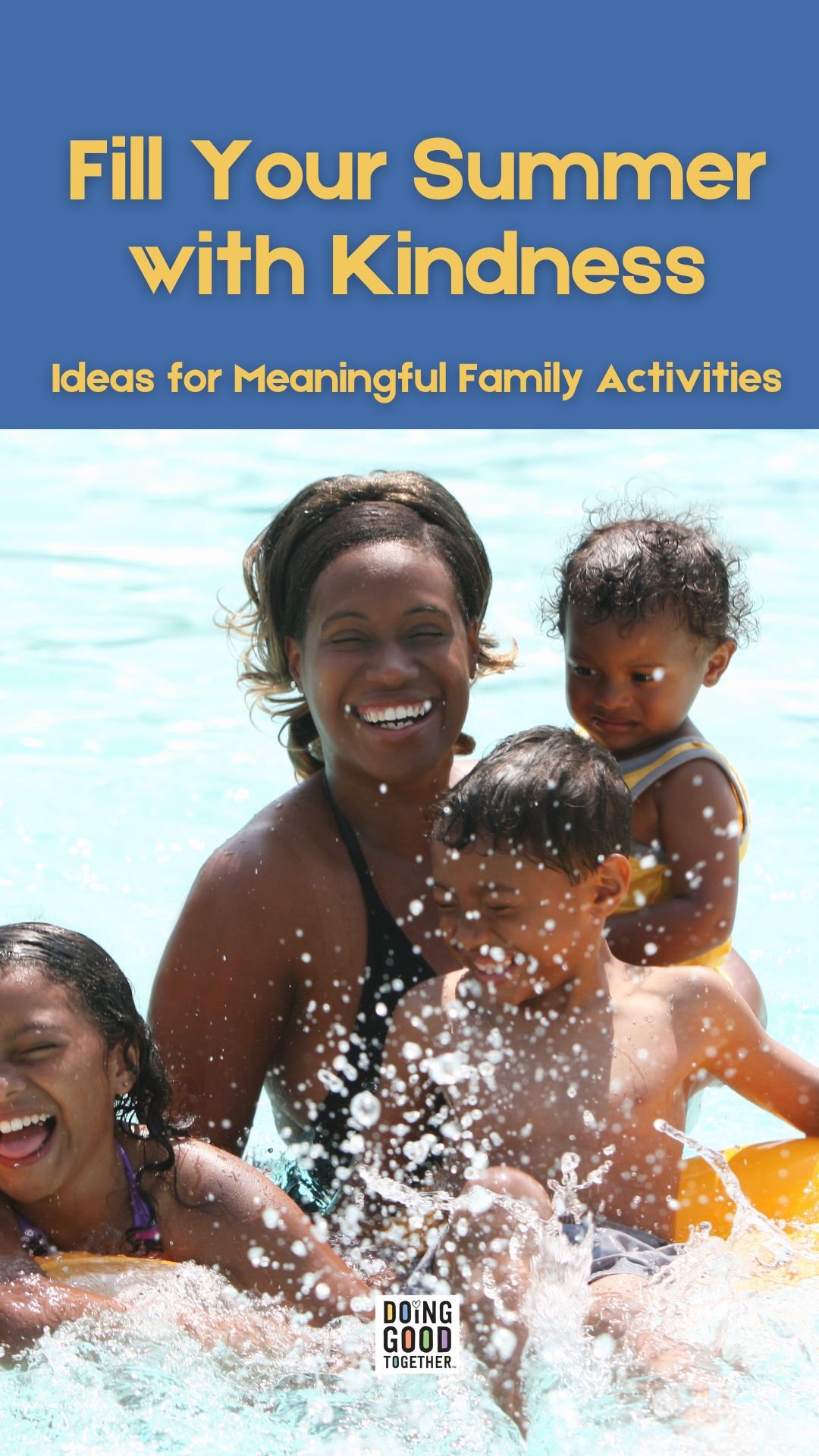
As you are mapping out your summer bucket list, Doing Good Together is here to help with ideas for meaningful kindness.
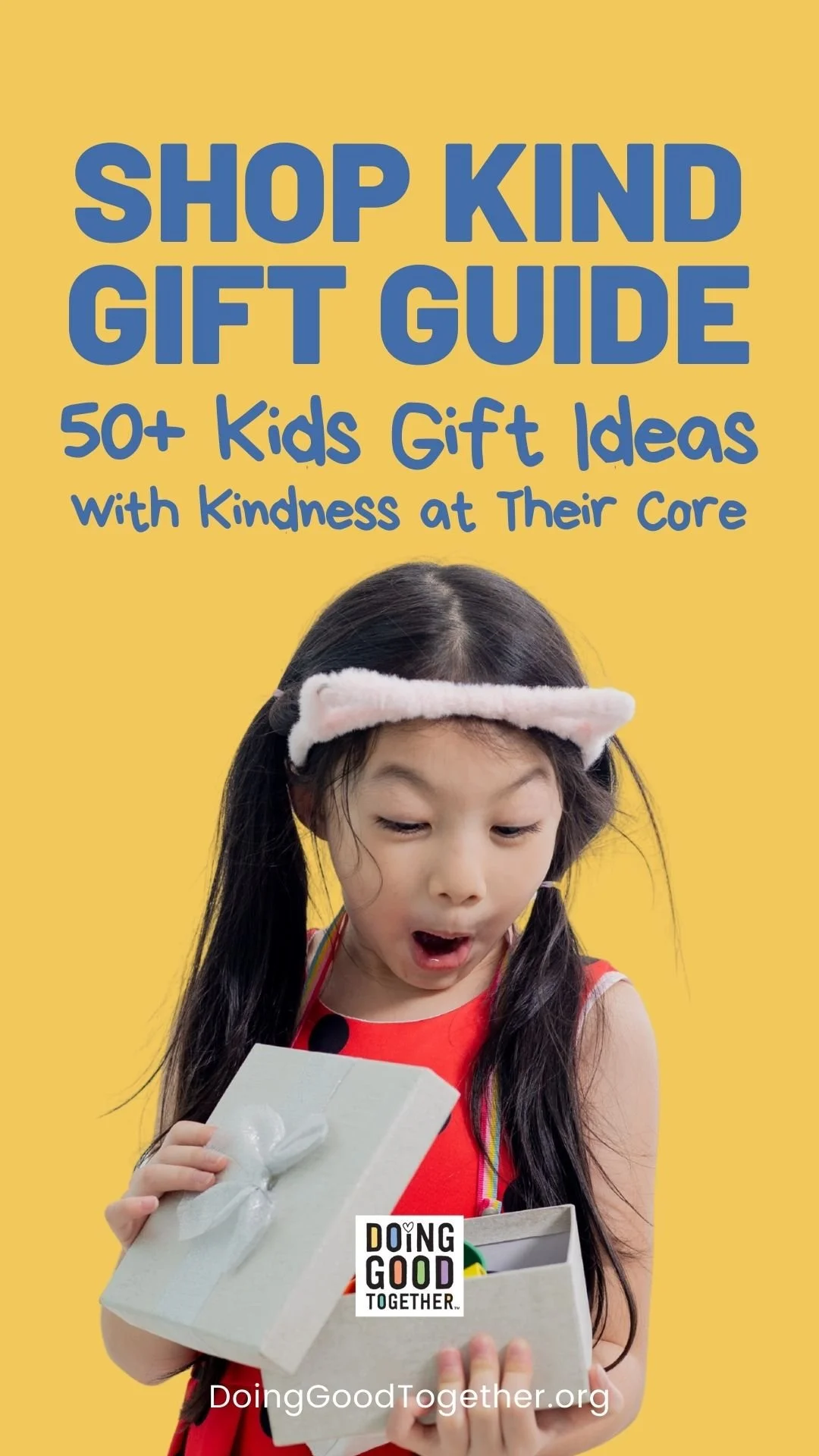
50+ kids’ gift ideas with kindness at their core! Gift giving opportunities pop up throughout the year, from annual holiday, birthday, and anniversary celebrations, to one-time milestone moments like graduations, major accomplishments, or just because. With the overabundance of consumerism in our culture, it’s natural for parents who care about the world to want to be mindful of what they're purchasing, not wanting junk to accumulate in their homes. That’s why we assembled this tried-and-true gift guide of favorite presents with kindness at their core. You’ll find special projects and tools that keep kids busy, encourage reflection, and encourage conversations; activities, items, and games that help them explore and understand the world around them; apparel that supports good causes, and more.
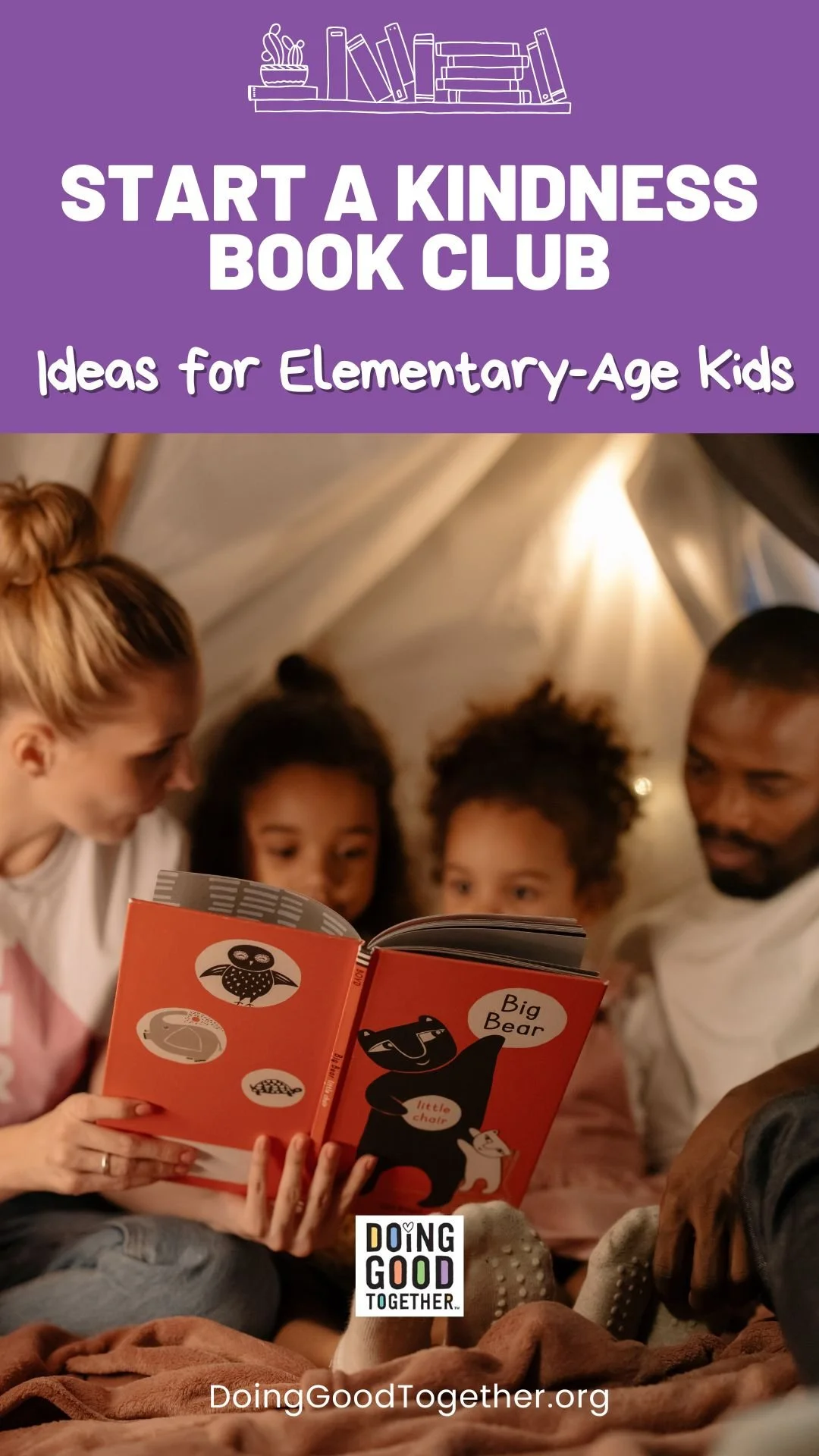
Everything is better with friends and a party!
How about friends and a party and an amazing book? As a parent, September feels like a fresh start, a new year. It’s full of opportunity as the school year gears up along with a new season of activities and sports. I’m going to suggest one more thing to start this year - a big-hearted book party club!

Learn ways to include kindness lessons in educational settings and beyond! Through learning about kindness, children learn empathy and compassion and can begin viewing the world around them through the eyes of others as they appreciate diverse perspectives. By building kindness activities into regular educational practices, we prepare kids for life as an adult who cares and contributes to the world around them. If action speaks louder than words in early childhood, why not get their bodies, minds, and hearts involved in caring for their communities?

Learn ways to include kindness lessons in educational settings and beyond! Through learning about kindness, children learn empathy and compassion and can begin viewing the world around them through the eyes of others as they appreciate diverse perspectives. By building kindness activities into regular educational practices, we prepare kids for life as an adult who cares and contributes to the world around them.

Valentine’s Day often stirs strong feelings, often over-celebrated with material gestures. Our guest contributor shares how her view of the holiday was shifted by a homemade card, revealing the day's deeper potential. Learn how teaching young children about varied forms of love can foster empathy and enrich lives.

February is the perfect time to gather your child’s school friends, invite your neighbors, and host a party to celebrate compassion.

We might apply the idea of a “messy middle” to much of life–switching careers, engaging in social change, even parenting/family life itself. Most of our lives happen in this space, when you stop to think about it–we haven’t yet “arrived” at the metaphorical place of organization and tranquility, but are constantly evolving our processes to be responsive to needs. How might we help our children understand the messy middle–its necessity, its tension, its gift–in a developmentally-appropriate way?

As parents and caregivers, you likely know all too well the daily stressors you face. The surgeon general’s report outlines the specific challenges we face at each stage of a child’s development, from sleepless nights with newborns to navigating the troubled teen years. The stress doesn’t just affect us as parents, it spreads to impact the whole family unit. And when we worry that our stress is affecting our kids, the cycle feels never-ending. The surgeon general’s report calls attention to this vicious cycle and offers actionable ways to break it.

In today's fast-paced information cycle, issues are often presented as black or white, right or wrong. When parents actively listen and support diverse perspectives on various topics, from child care to nutrition, they model for children how to understand and appreciate differences, encouraging a more nuanced and empathetic view of the world.

Mental health experts recommend helping young people build an understanding over time of what they can and can’t control. Bringing the focus to “how we treat other people; what activities we do the next day; what goals we have; who we spend time with; how hard we try to do the best we can” is something we can start in middle childhood to build a strong frame of reference in adolescence.

Buckling up for a metaphorical bumpy ride from time to time as you enter a new job, experience a change in leadership, or encounter a developmental growth spurt is something that begins at birth and follows us until life’s conclusion. The winds of change blow strong. With children, we sometimes don’t see the changes themselves right away; instead, we see the impact of the changes in personal barometers of behavior and mood. How can we as supportive humans respond effectively to the need for change and see the purpose behind the disequilibrium?

People want and need to be seen. It is a fundamental characteristic of humans that we seek opportunities to connect with others in an authentic way. We want to feel noticed and valued as a member of the human community. We want to understand AND be understood. This connection is vital to our feelings of safety and happiness, and ultimately is foundational to our ability to work through challenges, think critically, be planful, and other executive function skills. How can adults use that in-born inclination to shine a light on actions that we wish to reinforce in our children?

As adults, we have a better sense of what is within our locus of control and how we can approach solving problems from our mature perspective, whereas young children see a lot of problems as big and insurmountable even if they are not. The good news is that we can cultivate the growth of our child’s sense of helpfulness over time in ways that match their developmental stage, while teaching about both agency AND the interconnectedness of humanity.

in the last few years, I have worked diligently to cultivate a growth mindset and to model that approach for my teenage children. The basic idea behind this concept is that by using “yet” at the end of a sentence, we reframe our approach to problems and retrain our brains to see challenges as opportunities to learn and grow.
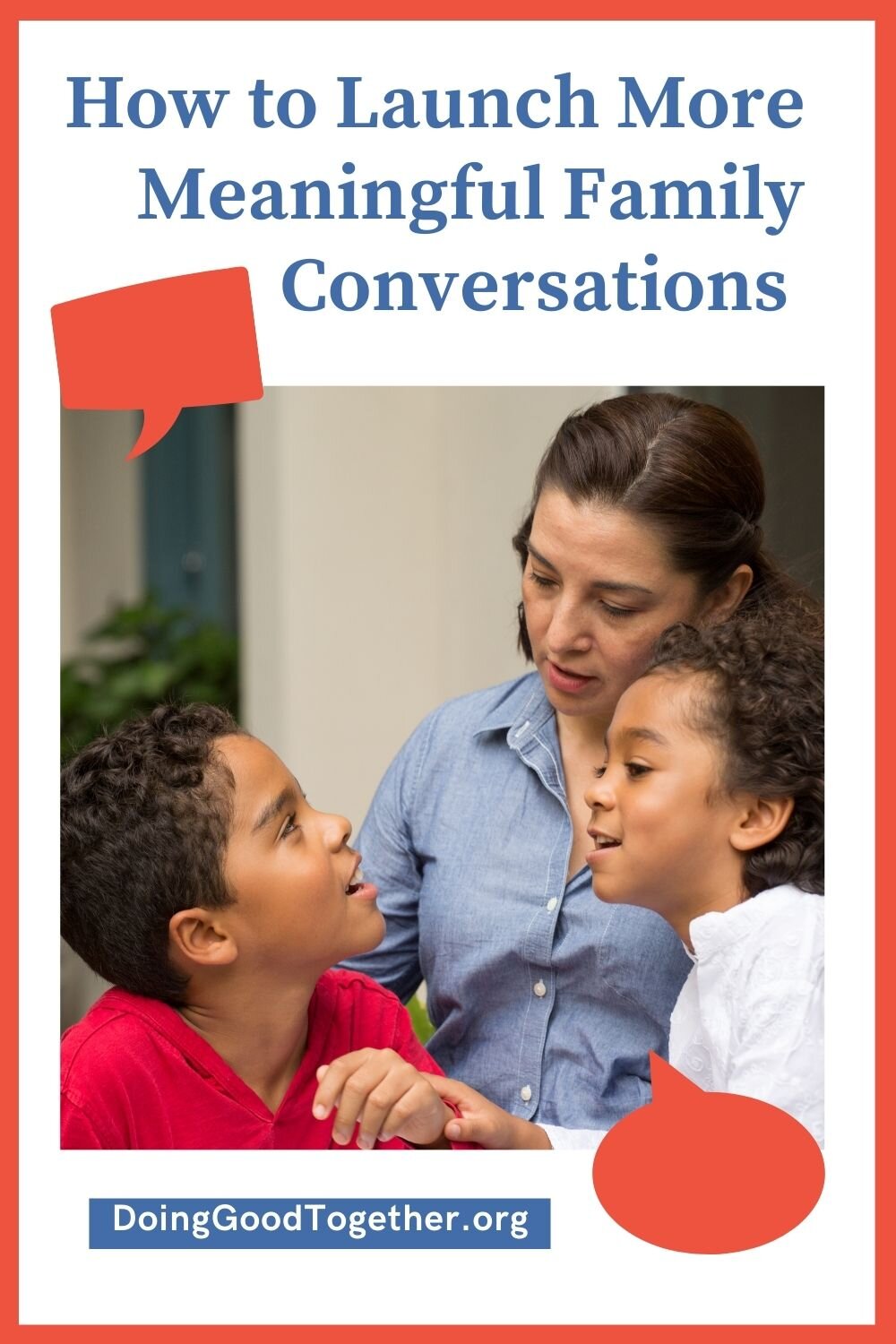
Talking intentionally and openly about big ideas is at the core of DGT™’s mission and has had the greatest impact on our family’s life. Now updated with questions designed for reflection during the COVID-19 Coronavirus pandemic.

The world in which we are helping our children to grow is not free from adversity, small or large. We cannot shield young people from the troubles of their community and world. And while it might make us caring adults feel better to try, research shows that doing so is not to their benefit, either. Children are innately curious and working continuously on relating to others as their empathy skills develop. They wonder about big questions like, “how am I similar or different to people I see suffering,” “could that happen to me,” and “my heart hurts for them; how do I help them.” Many who witness tragedy or challenges faced by other people in the world ask the same questions. How do we explain problems like poverty, mental illness, systemic racism, and violence to these small humans?

Even if your children are fortunate enough not to face major difficulties in life, building a sense of connection and confidence will help provide protective factors and skills through life’s ups and downs. Here are a few suggestions to build resilience in everyday life.

This Valentine’s Day take the time to celebrate kindness with the ones you love with these simple and fun Valentine’s activities!
Resilience is a predictor of future success for children. Resilience is a mix of grit and perseverance. How do we raise kids who are resilient? I think our children’s ability to face challenges and adversity is grown in part through teaching kindness, building empathy and building connections. These important milestones form the bedrock of Doing Good Together. Below, find some ideas to help continue to raise resilient kids.