Start Kind Conversations
Spark reflection with creative printables and activities.
Studies show that conversation is an undervalued but hugely critical tool parents can use to nurture compassion.
“Empathy is a skill, not a personality trait. At every age, we can get better at understanding and connecting with those around us. It starts by simply asking, what is it like to be them?”
Projects, Printables, and Activities

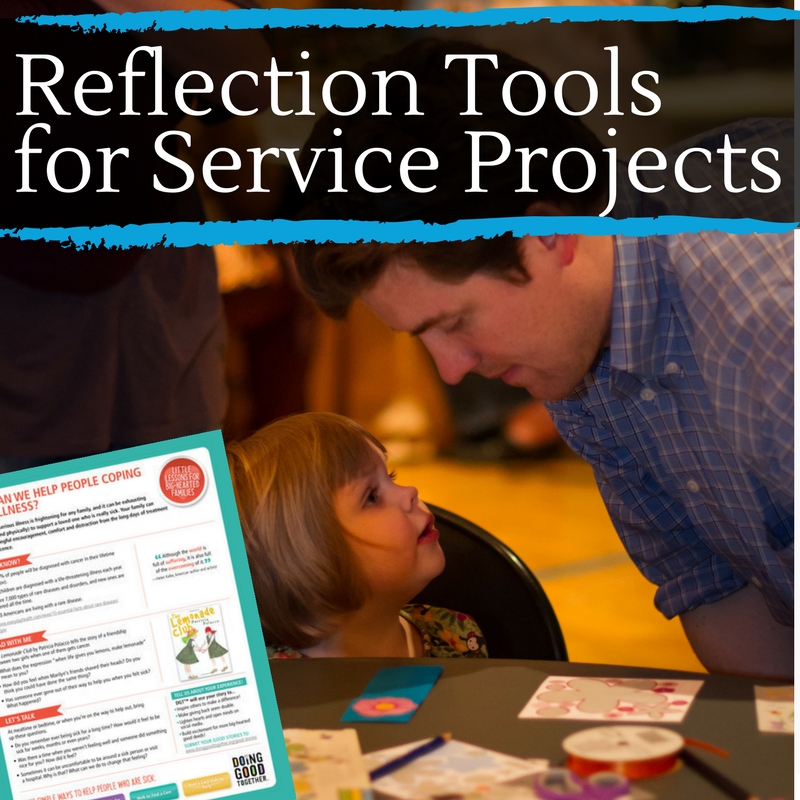
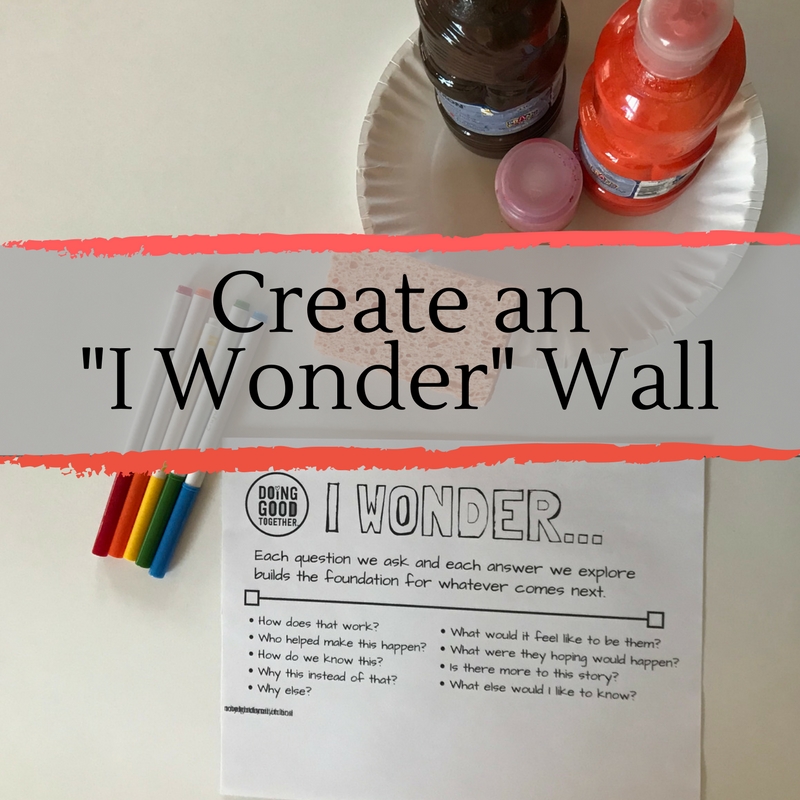
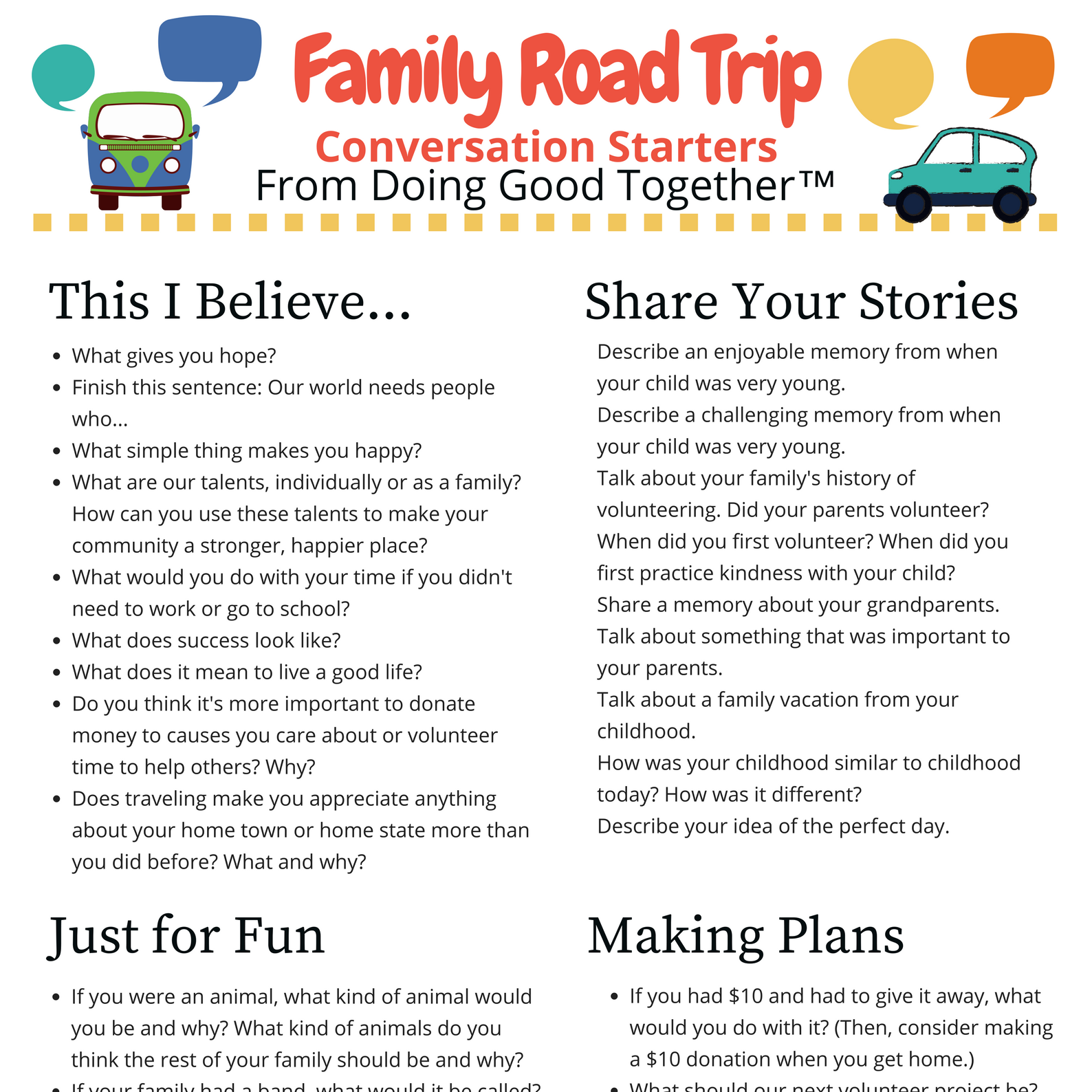
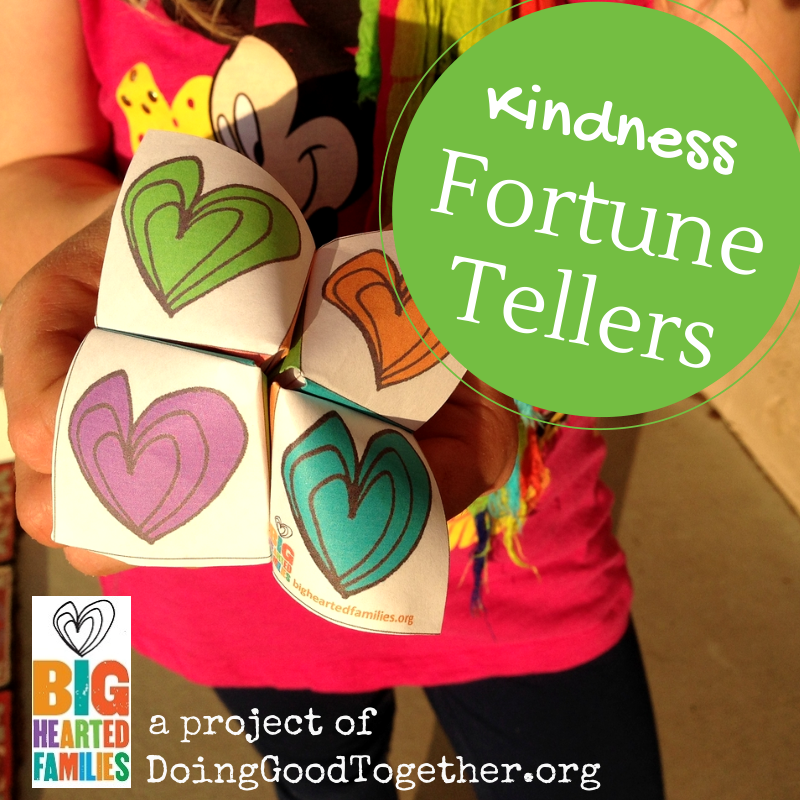
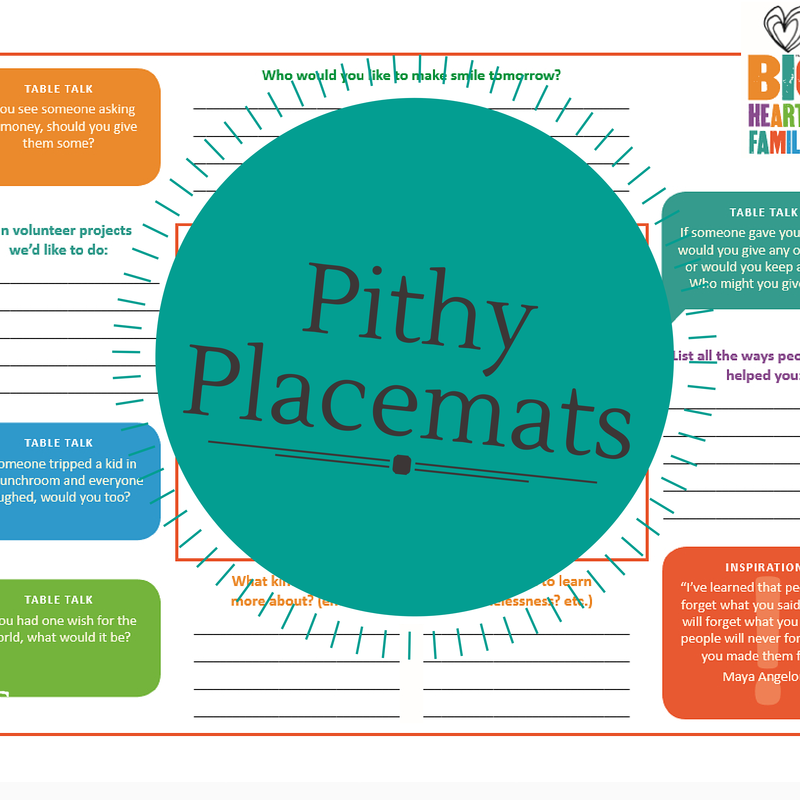
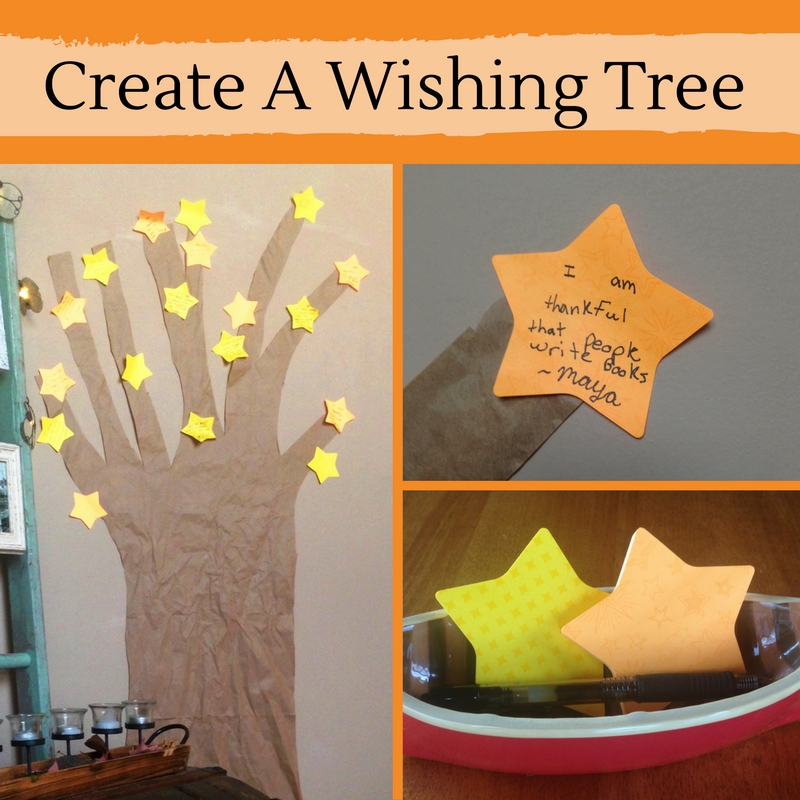

Explore a big-idea together with DGT’s unique reflection sheets.
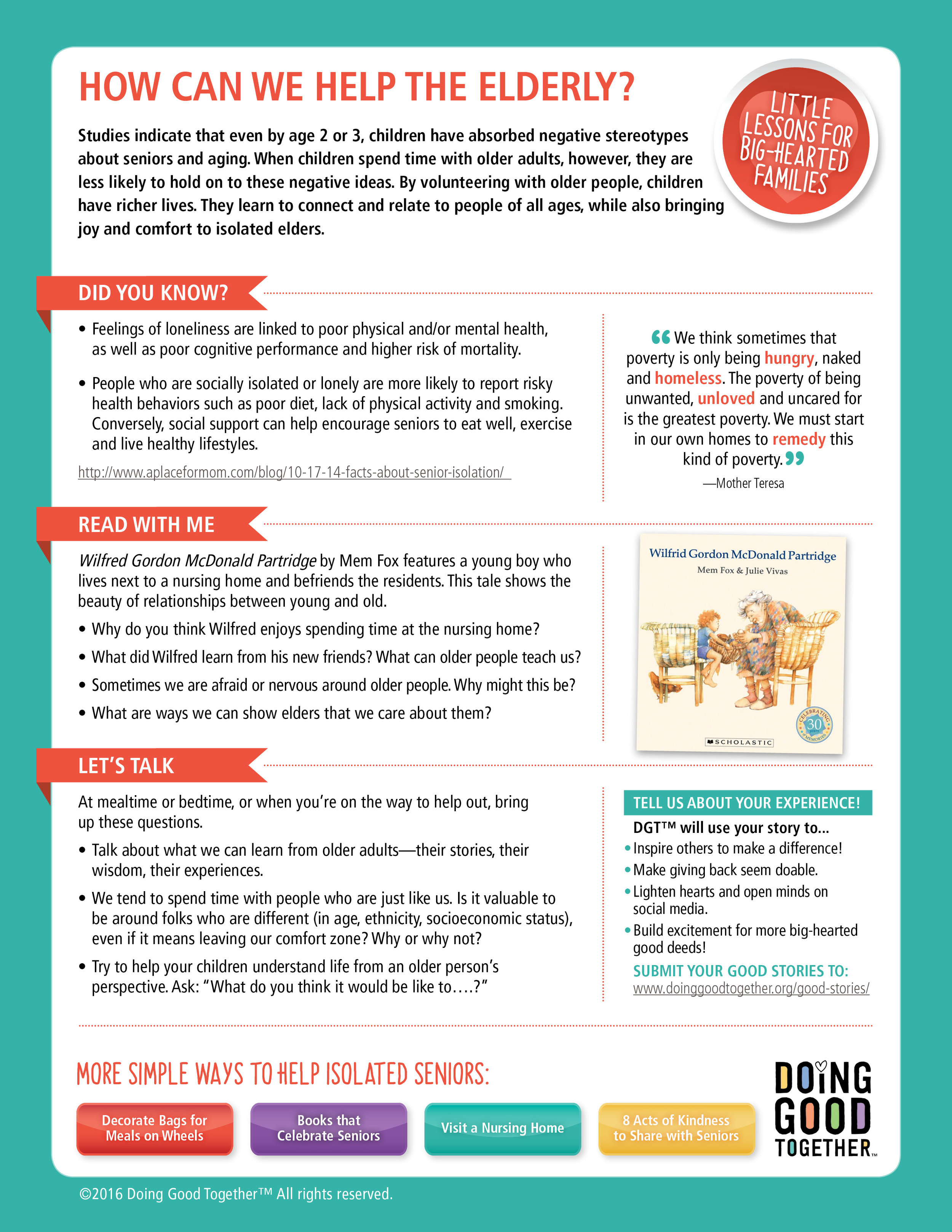
By volunteering with older people, children learn to celebrate aging and the wisdom our seniors can offer.

By volunteering together, your family can address the issue of homelessness thoughtfully and make a meaningful difference.

By volunteering together, you and your family can make a difference to those who are experiencing hunger or food insecurity.

Reflecting on your volunteering experience can lead to thoughtful learning and growth. Take time to explore these questions together!
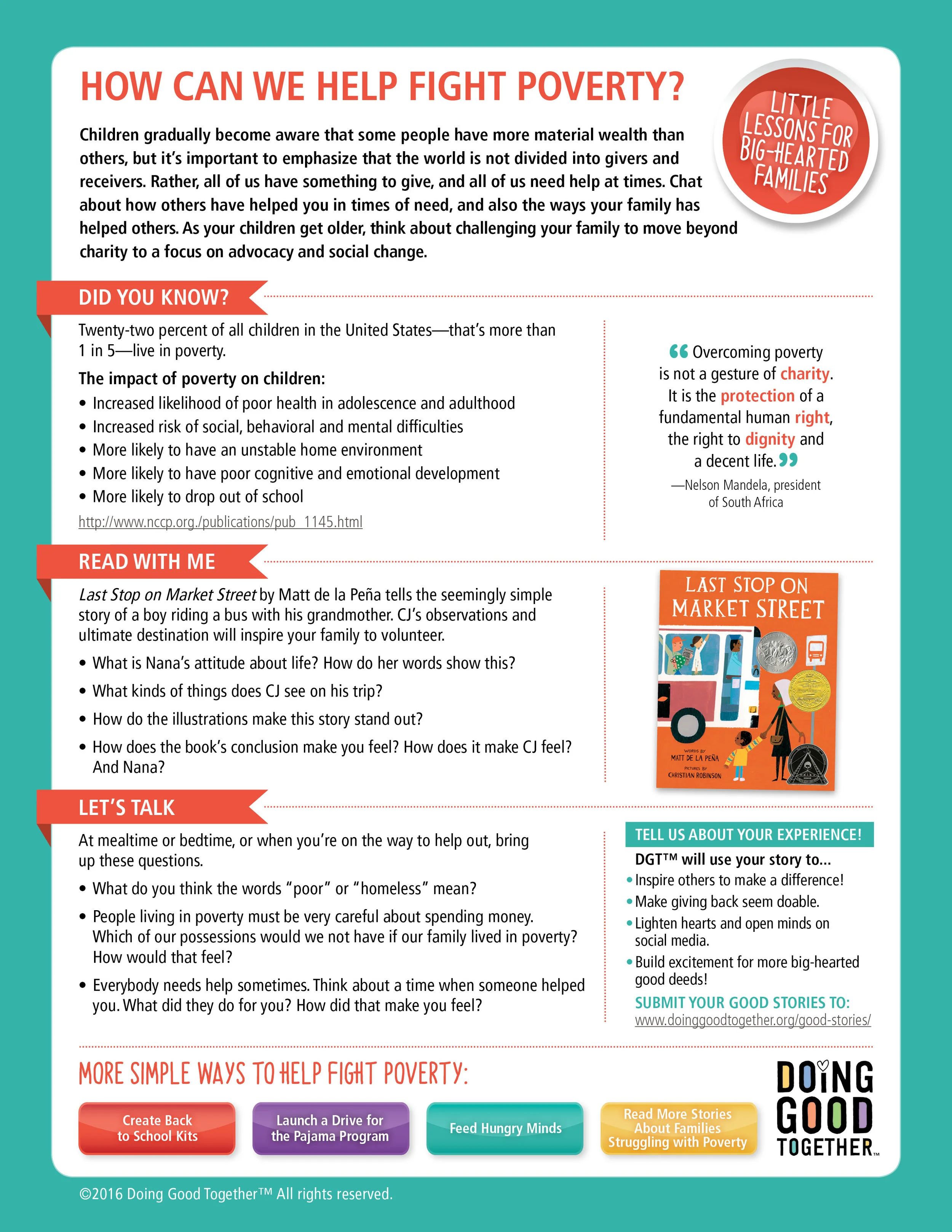
All of us have had times of need, and times when we've given to others. Chat with your children about those times and how we are all givers and receivers.
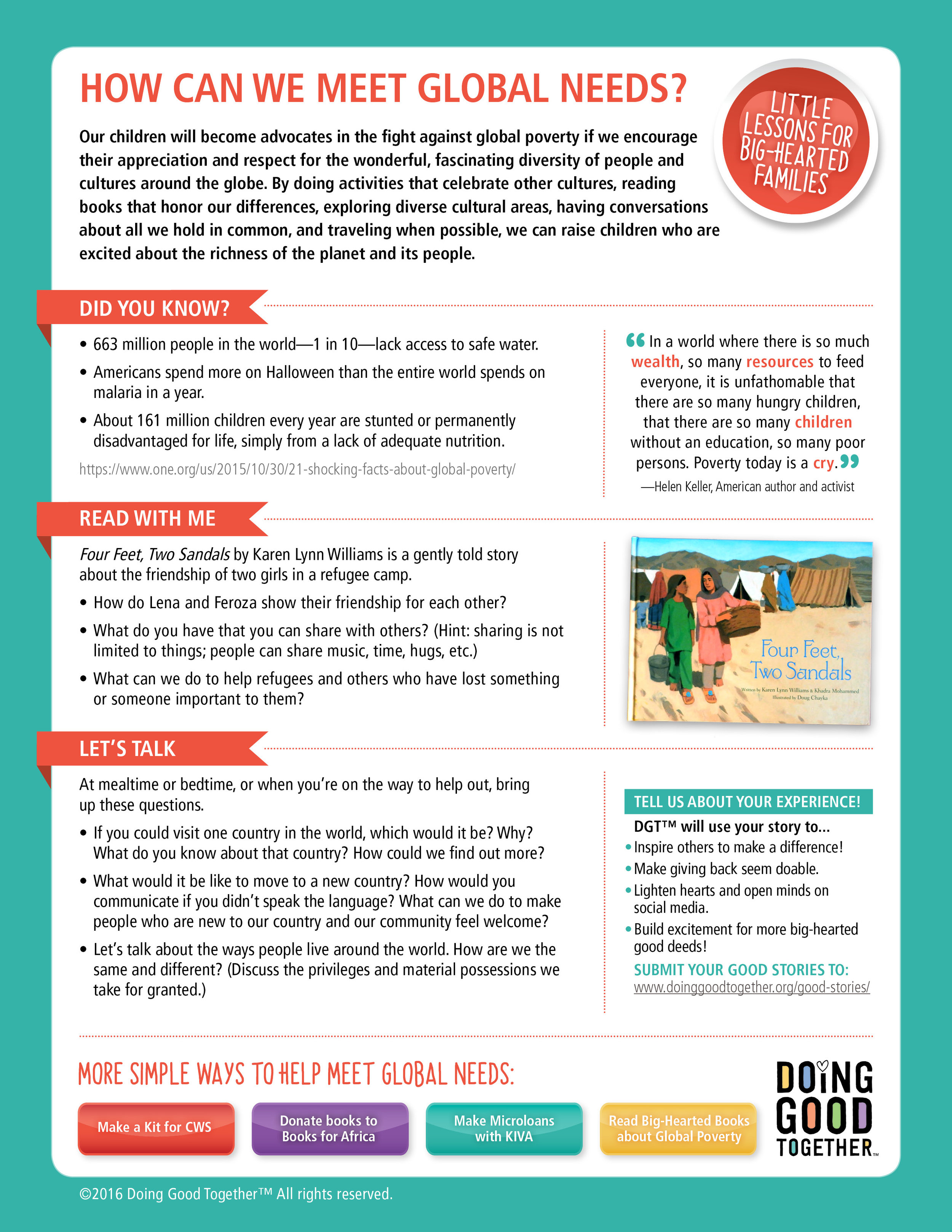
Encourage children to appreciate and celebrate the wonderful diversity of the people and cultures around our globe.
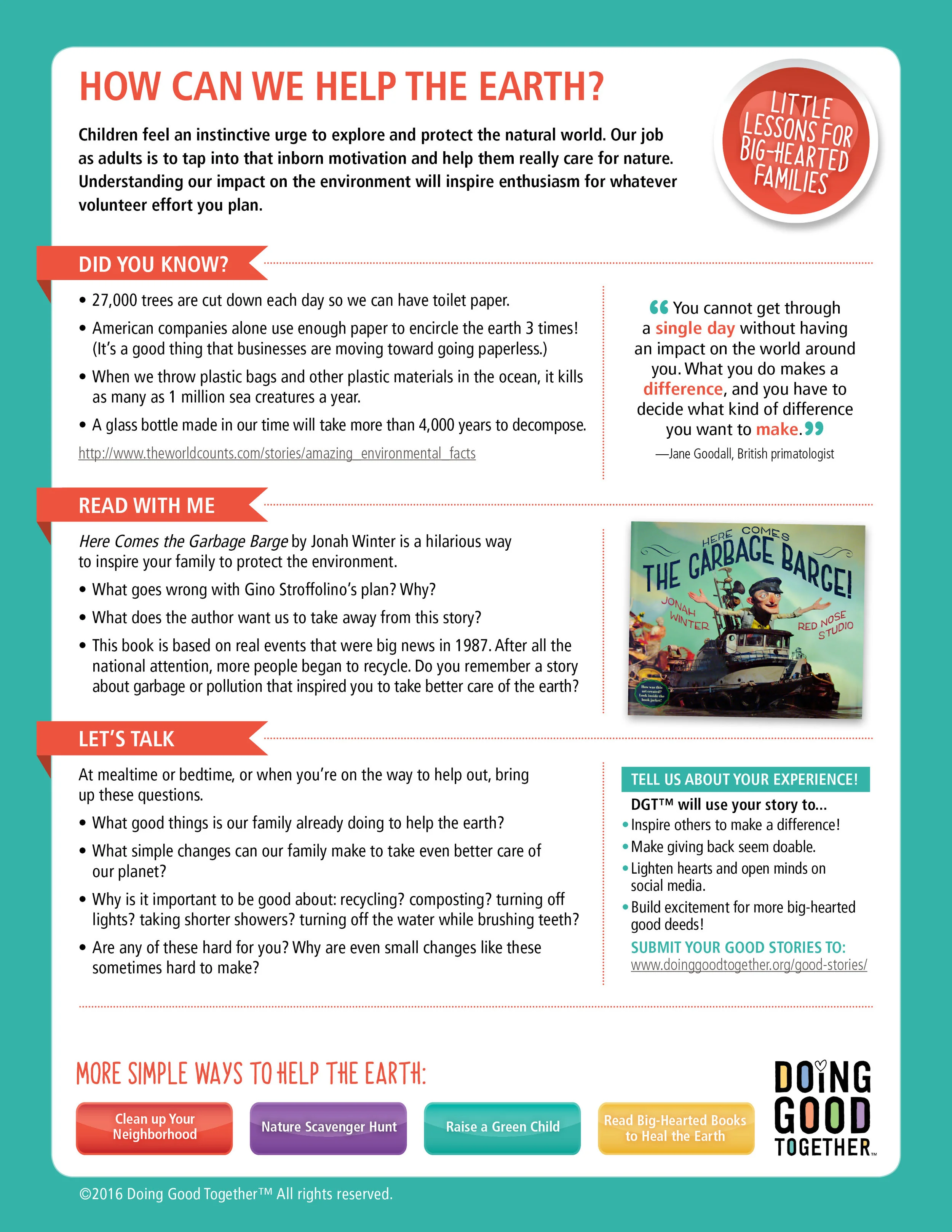
Understanding our impact on the environment will inspire enthusiasm for any environmental volunteering you plan.

The plight of animals inspires profound empathy and makes children want to do something to help.
Browse popular blog articles about reflection.

People want and need to be seen. It is a fundamental characteristic of humans that we seek opportunities to connect with others in an authentic way. We want to feel noticed and valued as a member of the human community. We want to understand AND be understood. This connection is vital to our feelings of safety and happiness, and ultimately is foundational to our ability to work through challenges, think critically, be planful, and other executive function skills. How can adults use that in-born inclination to shine a light on actions that we wish to reinforce in our children?

As adults, we have a better sense of what is within our locus of control and how we can approach solving problems from our mature perspective, whereas young children see a lot of problems as big and insurmountable even if they are not. The good news is that we can cultivate the growth of our child’s sense of helpfulness over time in ways that match their developmental stage, while teaching about both agency AND the interconnectedness of humanity.

in the last few years, I have worked diligently to cultivate a growth mindset and to model that approach for my teenage children. The basic idea behind this concept is that by using “yet” at the end of a sentence, we reframe our approach to problems and retrain our brains to see challenges as opportunities to learn and grow.
Talking intentionally and openly about big ideas is at the core of DGT™’s mission and has had the greatest impact on our family’s life. Now updated with questions designed for reflection during the COVID-19 Coronavirus pandemic.

The world in which we are helping our children to grow is not free from adversity, small or large. We cannot shield young people from the troubles of their community and world. And while it might make us caring adults feel better to try, research shows that doing so is not to their benefit, either. Children are innately curious and working continuously on relating to others as their empathy skills develop. They wonder about big questions like, “how am I similar or different to people I see suffering,” “could that happen to me,” and “my heart hurts for them; how do I help them.” Many who witness tragedy or challenges faced by other people in the world ask the same questions. How do we explain problems like poverty, mental illness, systemic racism, and violence to these small humans?

Even if your children are fortunate enough not to face major difficulties in life, building a sense of connection and confidence will help provide protective factors and skills through life’s ups and downs. Here are a few suggestions to build resilience in everyday life.

The last few years have pushed us to our limits as we watch our world become more and more polarized over conversations around gun laws, mental health, the pandemic, race, and a war that rages in Eastern Europe. It seems almost impossible to take a breath. I struggle with how much to share with my children, but I ultimately know that they need to hear the truth – in age appropriate ways – even when it breaks my heart to share it with them.
Here are my suggestions on having these challenging conversations along with some resources that have helped me – and might help you as well.

Making time to read and wonder together offers a comforting oasis in an often chaotic world, for both children and parents. To make getting started easier for your family, we at Doing Good Together have added several bookish acts of service to our growing Pick-a-Project collection.

There is a certain amount of “Who am I?” and “Why are we here?” work that needs to happen during our early years. At Doing Good Together, we have found that a great deal of the inner work happens when kids have the opportunity to ask big questions with adults in their lives. Our latest post gives you the scientific benefits of philosophical inquiry and offers practical tools to get you started.
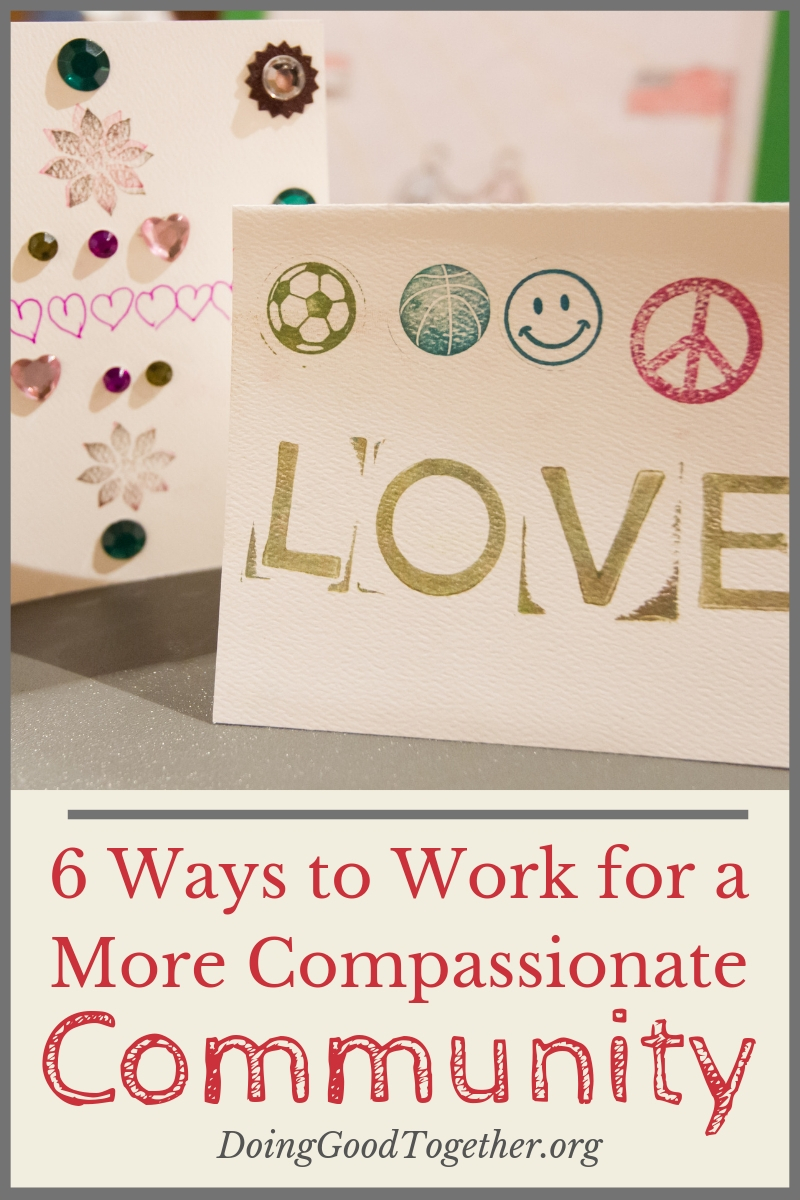
In his rendition of Stone Soup, Jon J Muth offers a lovely example of the way individual generosity can lead to a more compassionate community. Building on this inspiration, Doing Good Together offers several practical suggestions to help your family enrich your community in simple, everyday ways.

As the crisis at the border floods the news, your children may have questions. You may feel helpless to respond. Our latest blog post can help you navigate this heartbreaking issue with your kids. As our blogger concludes, “Doing Good Together has always relied on two essential truths. In every crisis, there is something you can do to make a difference. And your family's actions, along with your empathy, will shape the next generation of helpers and heroes.”
Brose big-hearted book lists.
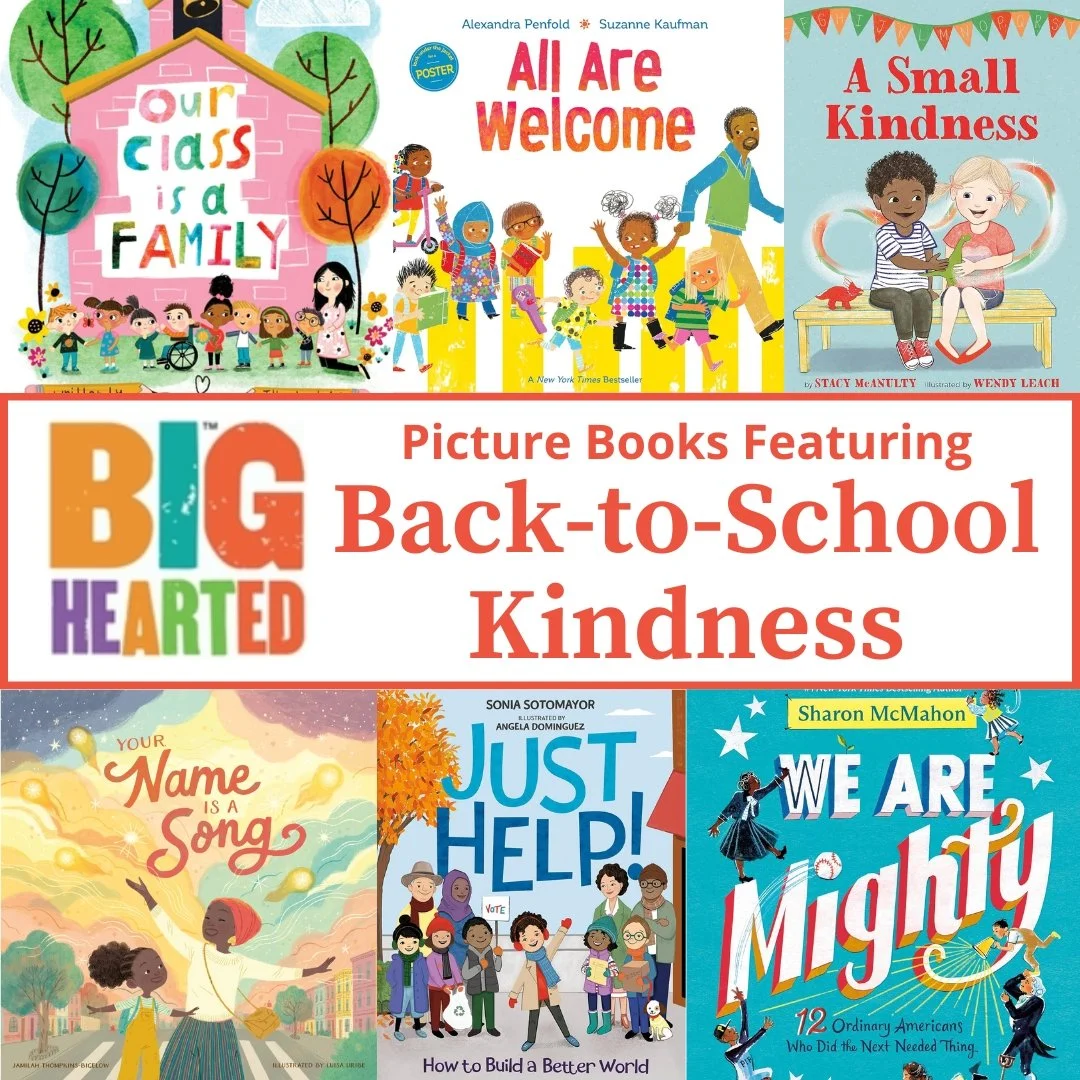
As a new school year begins, picture books can help children build empathy, welcome new friends, and create caring classroom communities. These stories encourage readers to notice others, celebrate differences, and discover how even small acts of kindness can make a big impact.
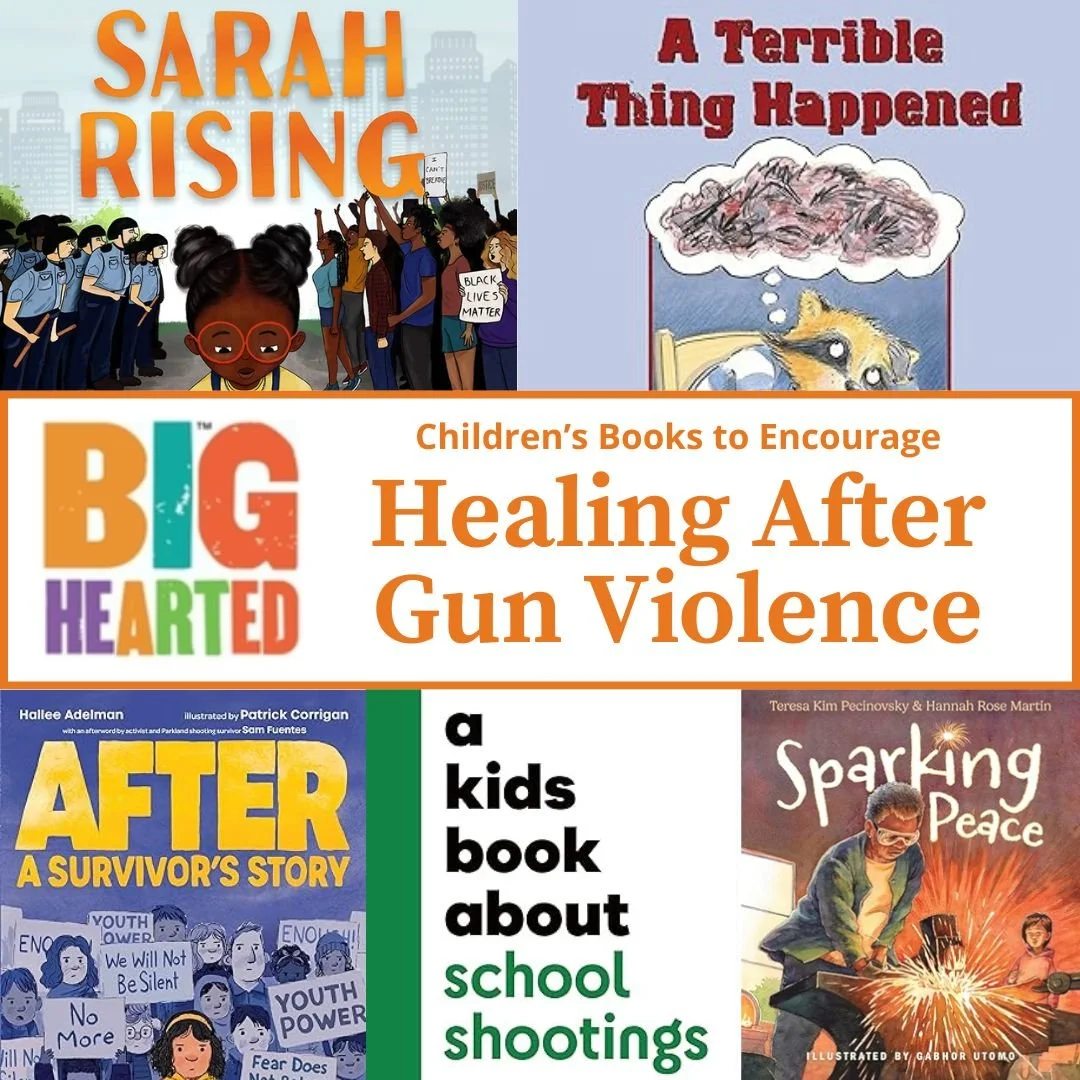
Whether gun violence has happened near home, or you’ve seen it in the news, the kids in your life have likely seen or heard about it, too. Children will feel a mix of confusion, sadness, and fear after these events, and most do not have the tools to process those emotions. When reading these books together, you can use them as a starting point for conversations about the hard emotions they’re feeling, and where there’s room for safety and hope.
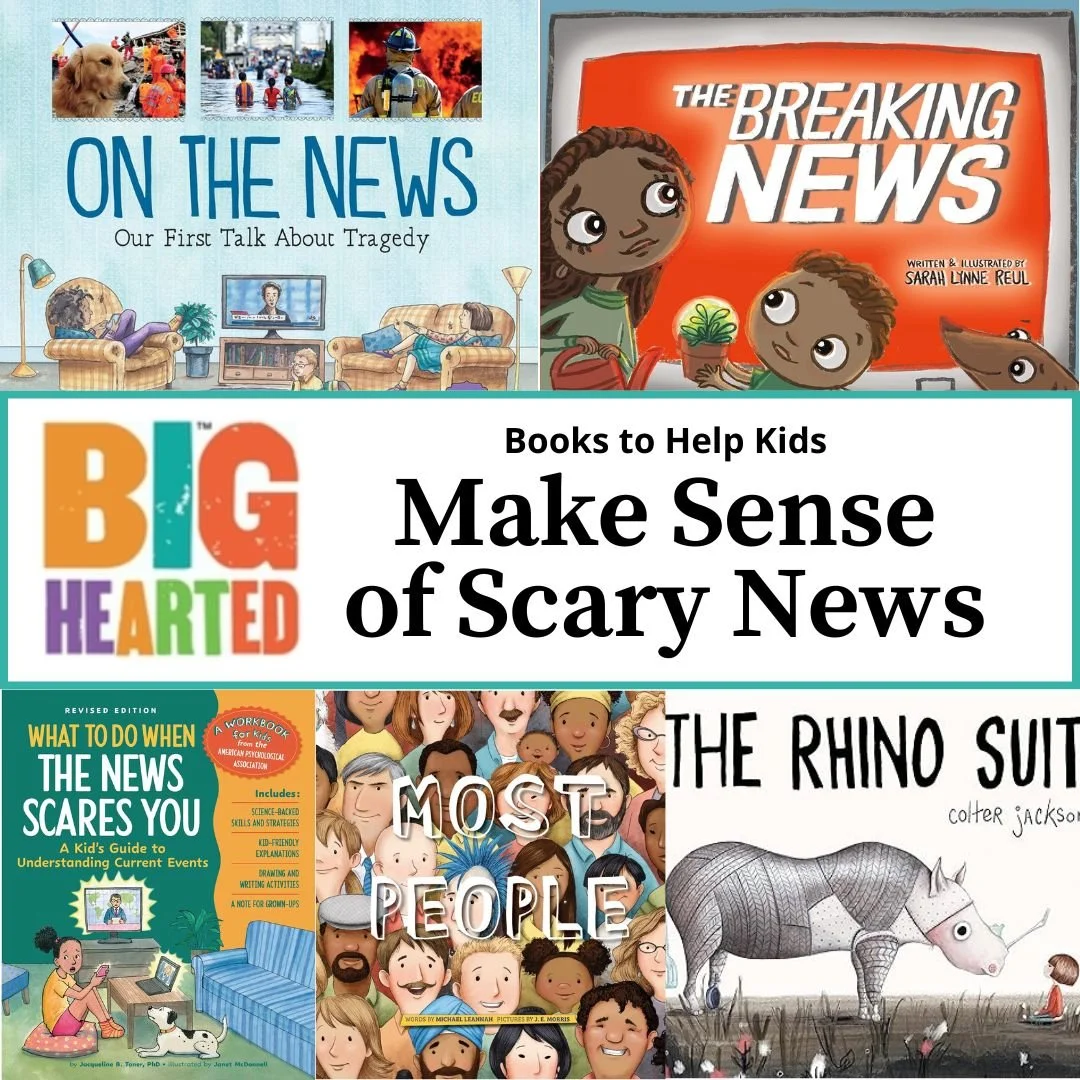
When what’s on the news, either on TV, our computers, or our phones, feels overwhelming or scary, children are often picking up on more then we realize, even when they’re not directly taking in the information. The books on this list are gateways for helping kids understand what’s happening in the world, to help them ask their questions and process big emotions.
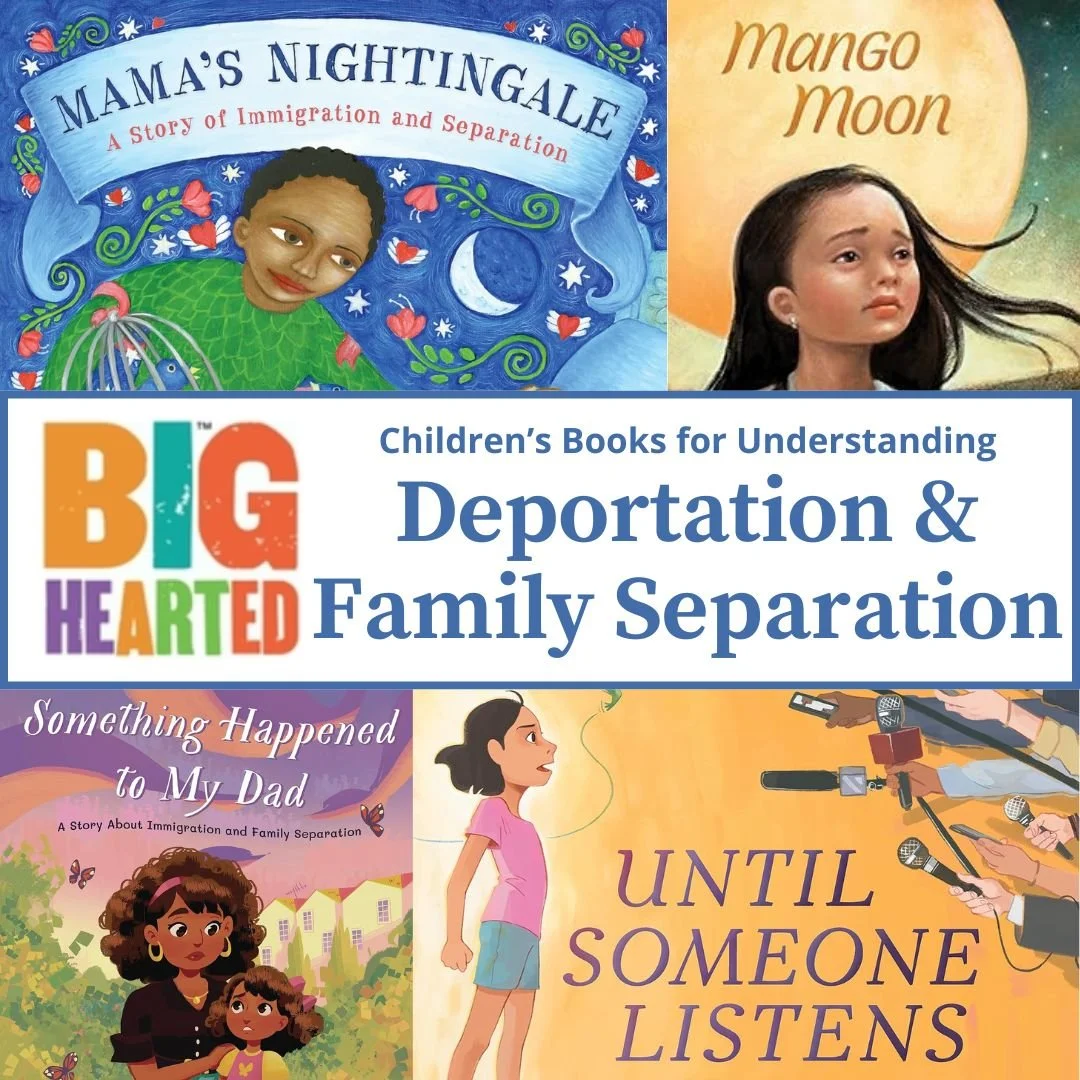
Family separation and deportation are difficult realities that many children encounter, whether in their own lives, their classrooms, or their communities. The books on this list offer gentle, age-appropriate ways to help kids understand these experiences and process big feelings.

Give thanks every day with this growing collection. Research shows that people who regularly express gratitude are happier and healthier than their counterparts, regardless of measurable wealth. Plus, regularly practicing gratitude shines a spotlight on the abundance of gifts in our lives, gifts we might otherwise overlook.
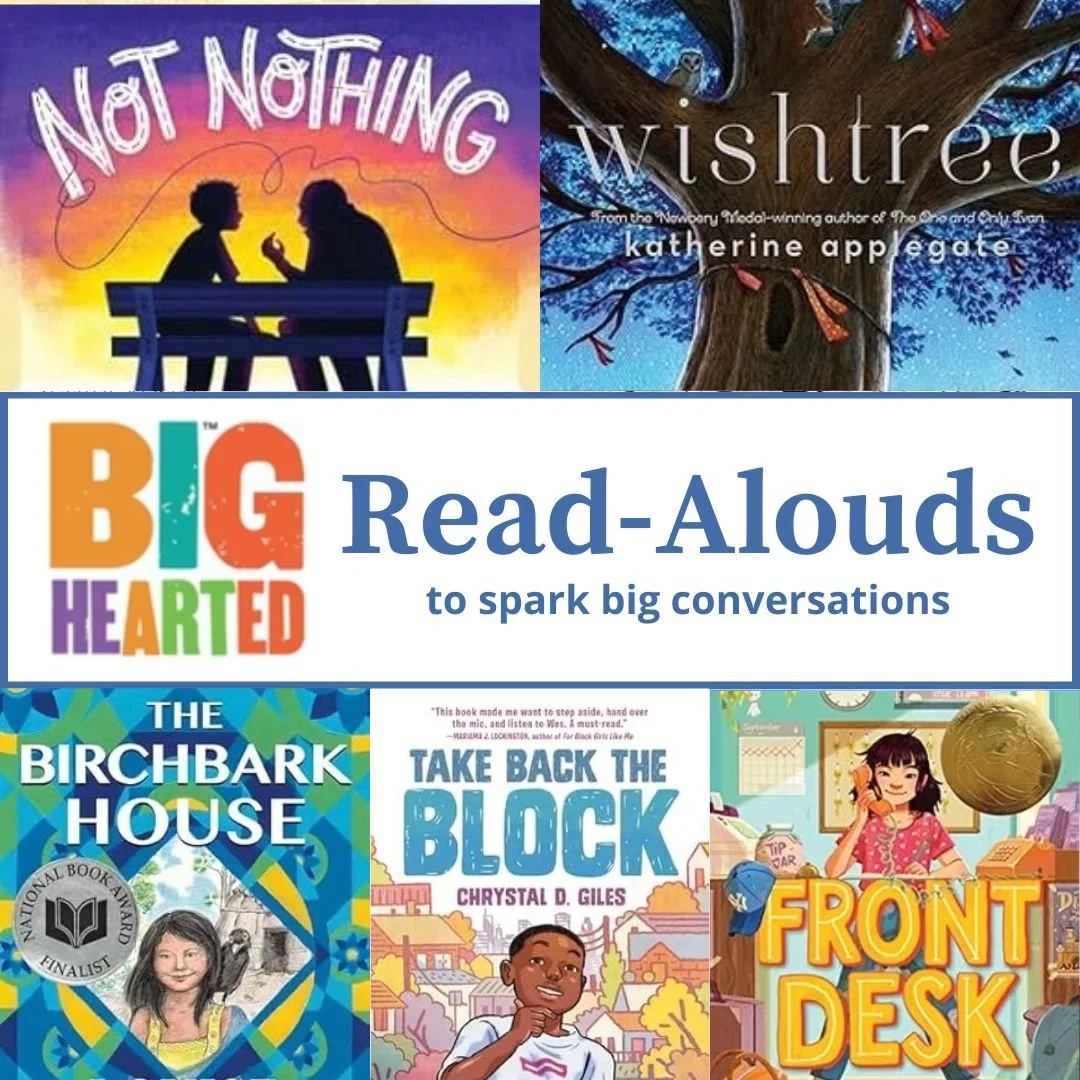
Shape hearts and inspire action with these read-aloud picks for elementary kids. Perfect for sparking meaningful conversations, whether you're starting a book club at home, reading together as a class, or simply looking to connect over a great story.


Reading with a child is itself an exercise in mindfulness, especially if you take care to notice each sentence and each illustration as the pages turn. This growing list of captivating stories offer incredible opportunities to encourage mindfulness.

Our Big-Hearted Families™ kindness activities are some of the many free resources available on this site, but as with any mission-based programming, we rely on donations, large and small, to continue these offerings. If you agree there's value in the information and inspiration we offer, kindly consider offering a tax-deductible donation of $25, or any amount that fits your budget. Thank you!
You can make a difference to someone coping with an illness – and help their loved ones as well.