A Big-Hearted Neighborhood

may day 004

Summer is a great opportunity to build neighborhood memories with a big hearted project or two.

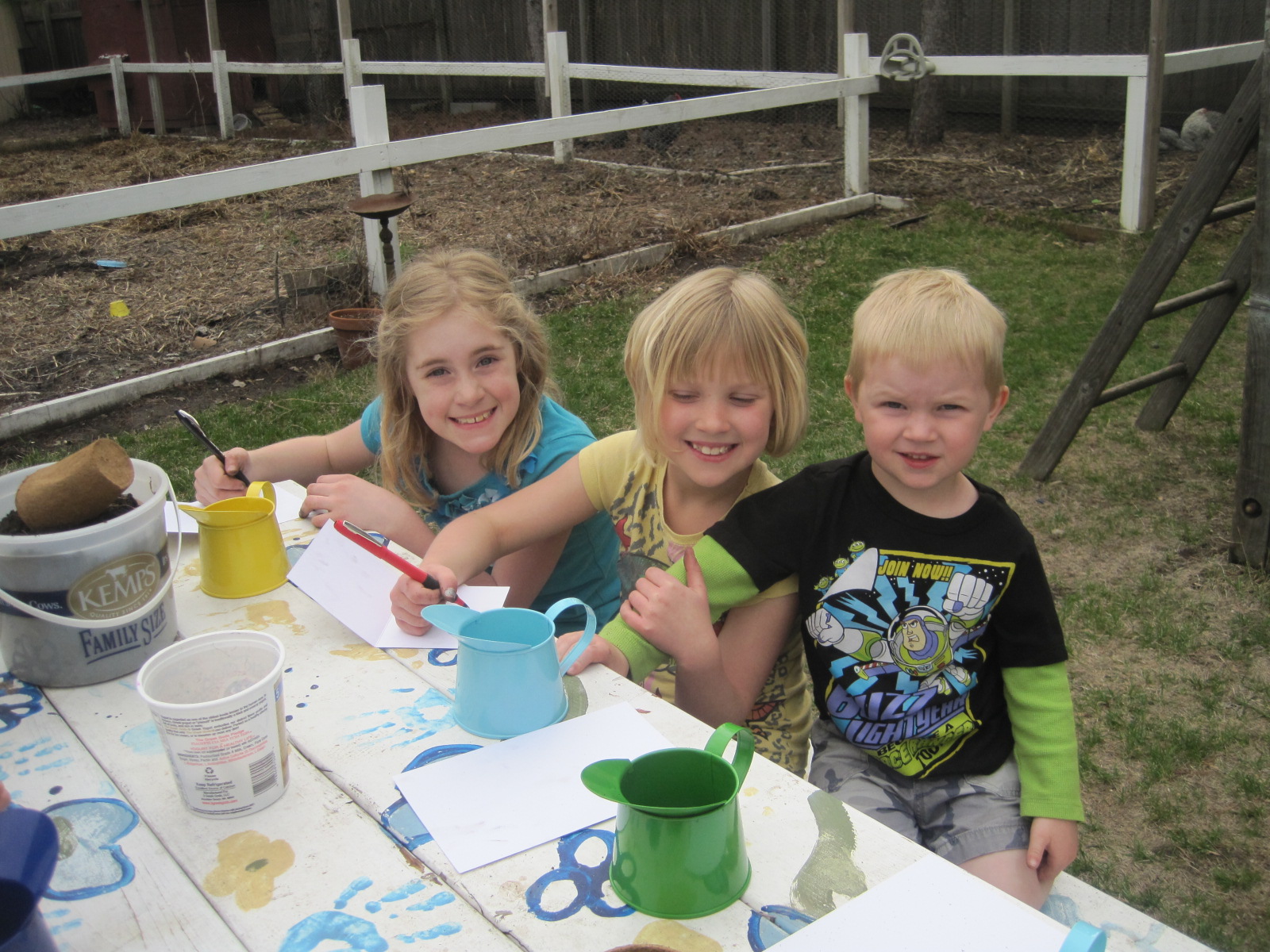
We recently completed the first big-hearted project with our new neighbors. We tackled a small craft project, testing out one of the upcoming Big Hearted Families book club activities.

Big-Hearted Families' activities build great neighborhood relationships for the same reason they build strong families:

  • They give you and excuse to spend time together, for longer than it takes to set out the trash or pick up the mail.

  • They give you something bigger to talk about than the weather or real estate market.

  • Plus, these projects contribute - in ways great and small - to your community.

As new members of our community, volunteering together gives us a great opportunity to build deeper connections more quickly.

During this season of summer gatherings, here are a few simple activities that may bring your neighborhood together:

  1. Make Sandwiches: With minimal preparation and just an hour of time together, your neighborhood can stock local homeless shelters with hundreds of sandwiches for their residents. Put on some fun music, tackle our discussion questions, and fire up the grill or order a few pizzas to make an evening of it!

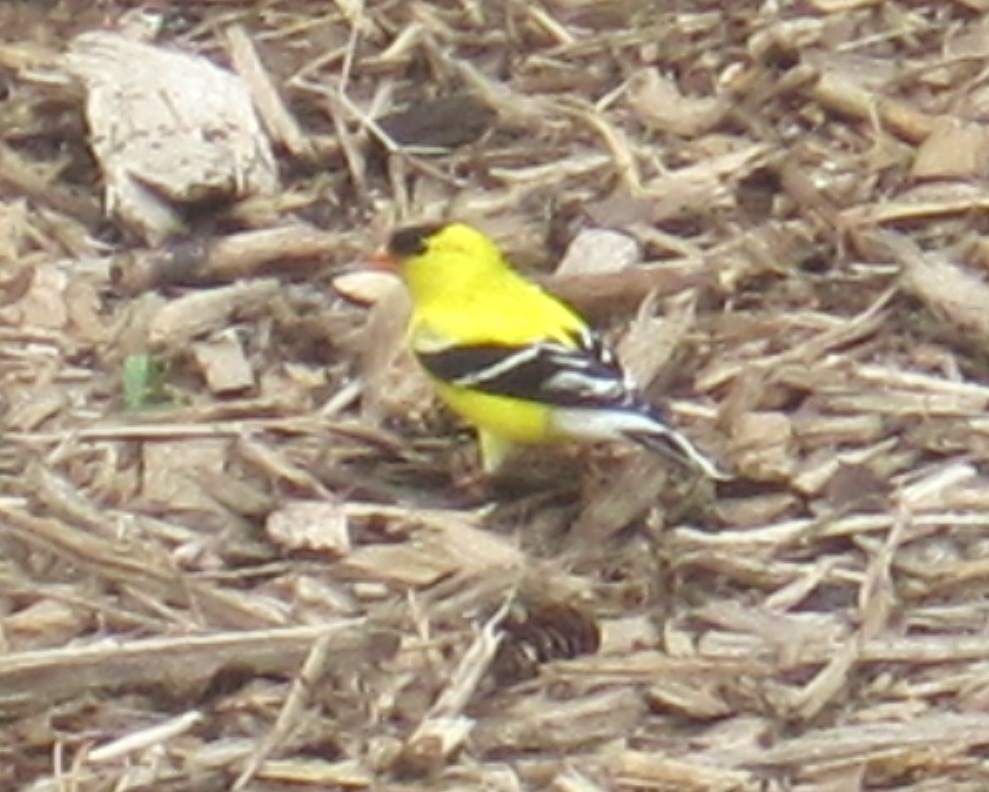
  2. Make Birdseed Cookies: Decorate your neighborhood with edible treats for your feathered friends! Host a neighborhood gathering and set up a birdseed cookie table as a fun ice breaker. Later you can swap stories about the creatures you've spied snacking on your treats.

  3. Adopt the Local Food Shelf: Has your family set up a food shelf donation station in  your home? For a simple, no-party-necessary option, let your neighbors know when you regularly drop of your goodies and welcome them to add to the collection. Offer gentle reminders just before each donation and let them know of any unique seasonal needs.
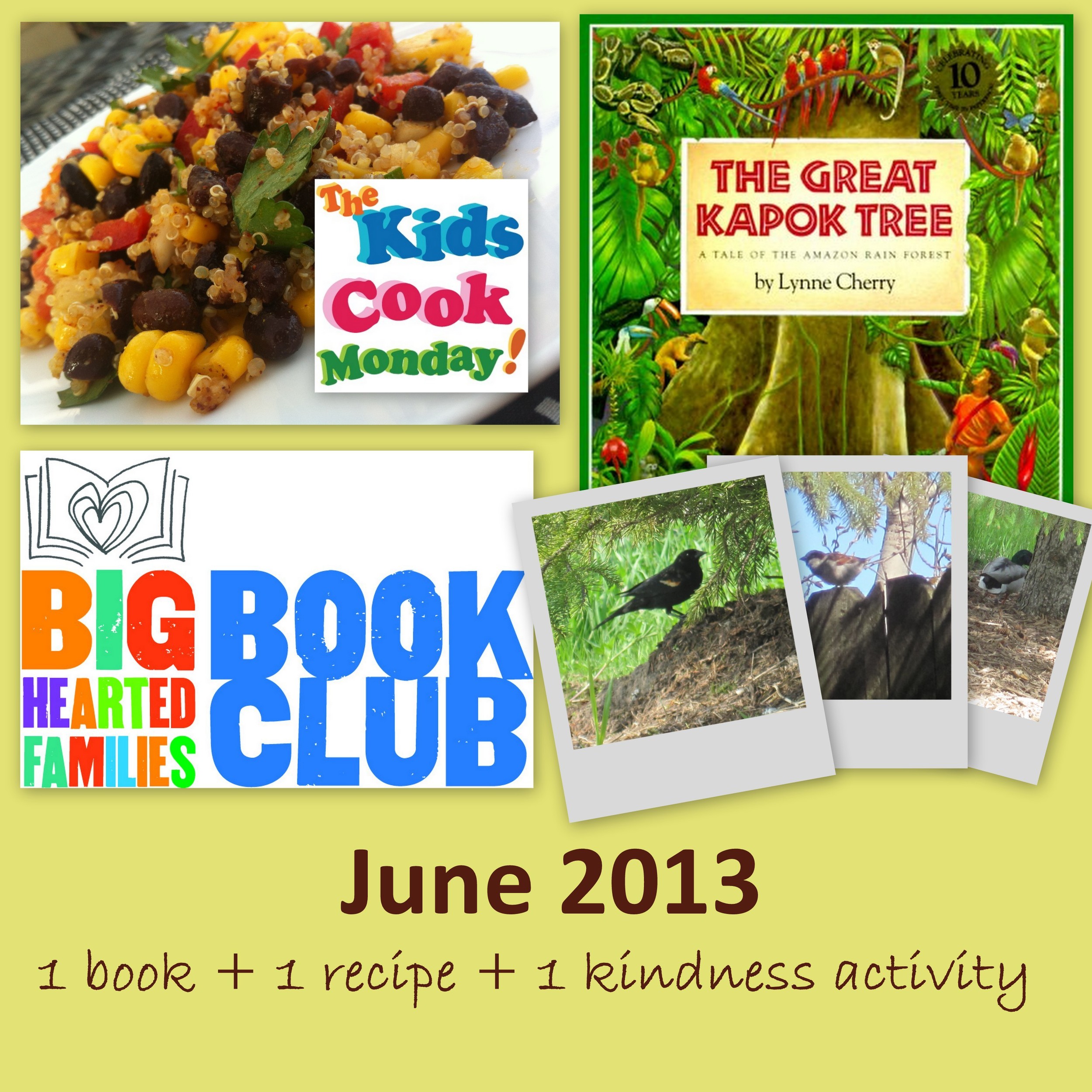
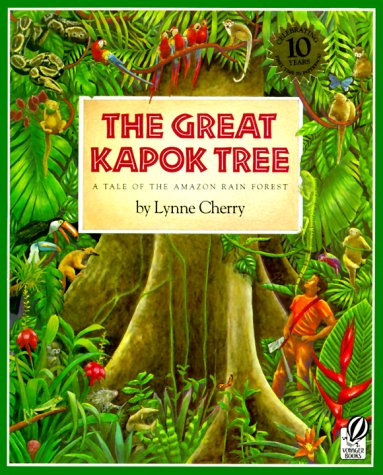
Big Hearted Families Book Club: The Great Kapok Tree

June 2013 book club - kapok tree

Transform  family night into a creative, fun, book-centered kindness practice!  The book for June 2013 is The Great Kapok Tree by Lynne Cherry.

This incredible book will help your family look deep into nature. The vivid illustrations and simple story show us the beauty, vitality and interdependence  of the Amazon rain forest, and help us understand why it is so fragile.

The more we know about the natural world, the more we are inspired to protect it. With this in mind, we invite you to spend time observing the wilderness in your own neighborhood. Get to know your natural neighbors and practice the art of observation. Then create a personal photo journal.

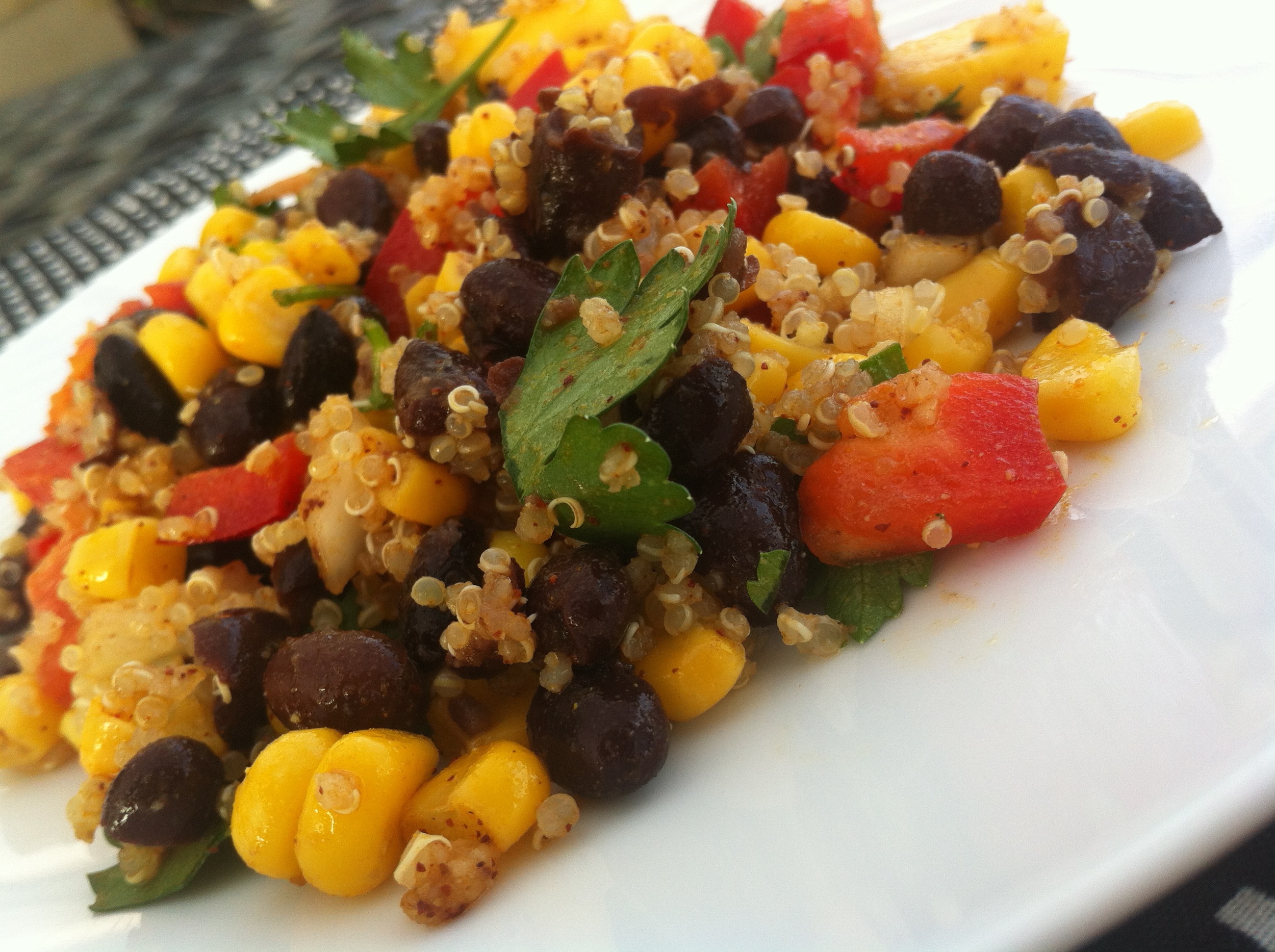
This month’s recipe celebrates biodiversity, too, with a zesty summer Black Bean Mango Quinoa salad from The Kids Cook Monday.

If you are a subscriber, you have already received your beautiful book, the following materials, plus a shopping list, book suggestions for older readers, and a fun BHF book mark right in the mail.

Thank you for supporting our nonprofit work!

If you would like to subscribe, head on over to our SHOP to get started.

If you already own the book or would rather use your library, we invite you to download these materials for your own big-hearted family night! When you’re done, join us back here and share your stories. Or join the discussion on our Facebook page!

great kapok tree

Black Bean Mango Quinoa Salad

The Recipe: Black Bean Mango Quinoaprovided by our friends at The Kids Cook Monday and created by Sharon Palmer, a registered dietitian and author of The Plant-Powered DietVisit  The Kids Cook Monday for more great recipes for your young chefs.

spring 019

The Kindness Activity:  Neighborhood Wildlife Photo Journal.  The more we notice and learn about the ecosystems around us, the more we will understand about the big idea of interdependence.

Kindness & Moving with Children

moving withe kids

moving withe kids

Sometimes showing compassion for my own family members is the only act of kindness I get accomplished.  Guiding children through big transitions - through fear or sadness or even uncontrollable excitement - can be all consuming.

Have I mentioned my family of 3 kids, 4 chickens, and 1  cat is moving?

For the most part, we're still keeping up with our regular habits of kindness, including Garbage Walks, collecting coins for the animal shelter, and participating in the One Book at a Time Program.

But most of my emotional energy has been funneled into smoothing these next few weeks for the kids and their sweet friends. It's no surprise that moving is tough for children. Psychology Today reports that frequent moves, or long drawn out moves, can have a long term impact on a child's happiness and ability to build stable relationships.

The good news is, parents can help limit the stress of a move with some targeted acts of love and kindness.

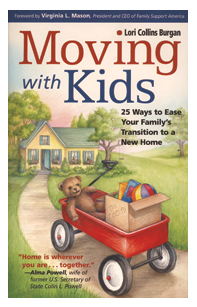
The book Moving with Kids: 25 Ways to Ease Your Family's Transition to a New Home by Lori Collins Burgan was full of helpful ideas. Here are tools I've used to make the move emotionally easier for my kids and their friends:

  • Throw your own going away party. Initially, I was a bit embarrassed by this one, but it really is a must. After months of prepping our house for sale, searching for a new one, and endless packing, we needed a party. Each kid was given a stack of invitations to hand out at school and around the neighborhood. We held a simple open house in the back yard, just popcorn and a bounce house. Between neighbors, teachers, and friends old and new, well wishers filled our yard and our hearts for a very memorable afternoon.

  • Pen Pal Kits: Label a few envelops with the new address, bundle them with stationary, and let the kids pass them out to favorite friends. Hopefully, the kids can look forward to a summer of letters and pictures to and from their special people.

  • A Traveling Journal: For that favorite friend, keep a traveling journal to mail stories and secrets to one another throughout the summer. We haven't implemented this one just yet, our the eight-year-old girls who are about to be moved apart mention it nearly every day. I'll let you know how it goes.

The wonderful world of technology offers so many other helpful solutions. Video chatting and e-mail will make the separation easier on everyone.

Have you moved with children? How have you made the transition easier for your family?

Big-Hearted Families Book Club: Rabbit & Squirrel

April 2013

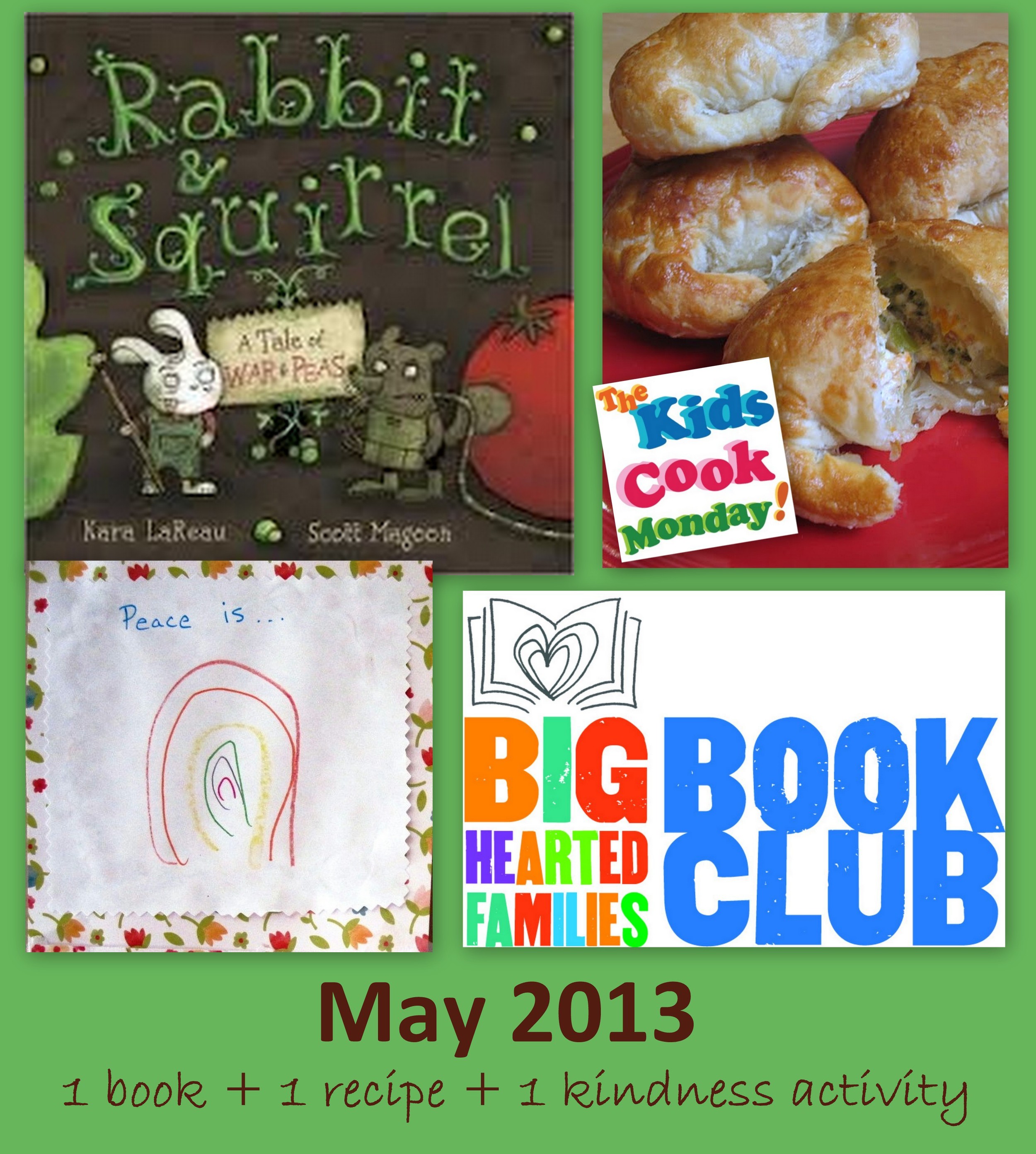
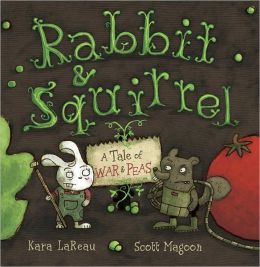
Transform  family night into a creative, fun, book-centered kindness practice! The book for May 2013 isRabbit & Squirrel: A Tale of War and Peas by Libba Moore Gray.

Peace is a state of mind as well as a state of the world. This entertaining book demonstrates how jumping to conclusions, misunderstandings and revenge can lead to can lead to all out war. 

This book is a great springboard for conversations about how we can each create peace in our own lives. You'll even create a family work of art to remind yourselves of your commitment to peace.

Plus, enjoy your veggies - the one good example Rabbit & Squirrel offer - with a great recipe from The Kids Cook Monday.

If you are a subscriber, you have already received your beautiful book, the following materials, plus a shopping list, book suggestions for older readers, and a fun BHF book mark right in the mail.

Thank you for supporting our nonprofit work! If you would like to subscribe, head on over to our SHOP to get started.

If you already own the book or would rather use your library, we invite you to download these materials for your own big-hearted family night! When you’re done, join us back here and share your stories. Or join the discussion on our Facebook page!

rabbit and squirrel and tale of war and peas

Veggie-ful Croissants

The Recipe: Veggie-full Croissants provided by our friends at The Kids Cook Monday and created by Michelle of The Kids Cook MondayVisit  The Kids Cook Monday for more great recipes for your young chefs.

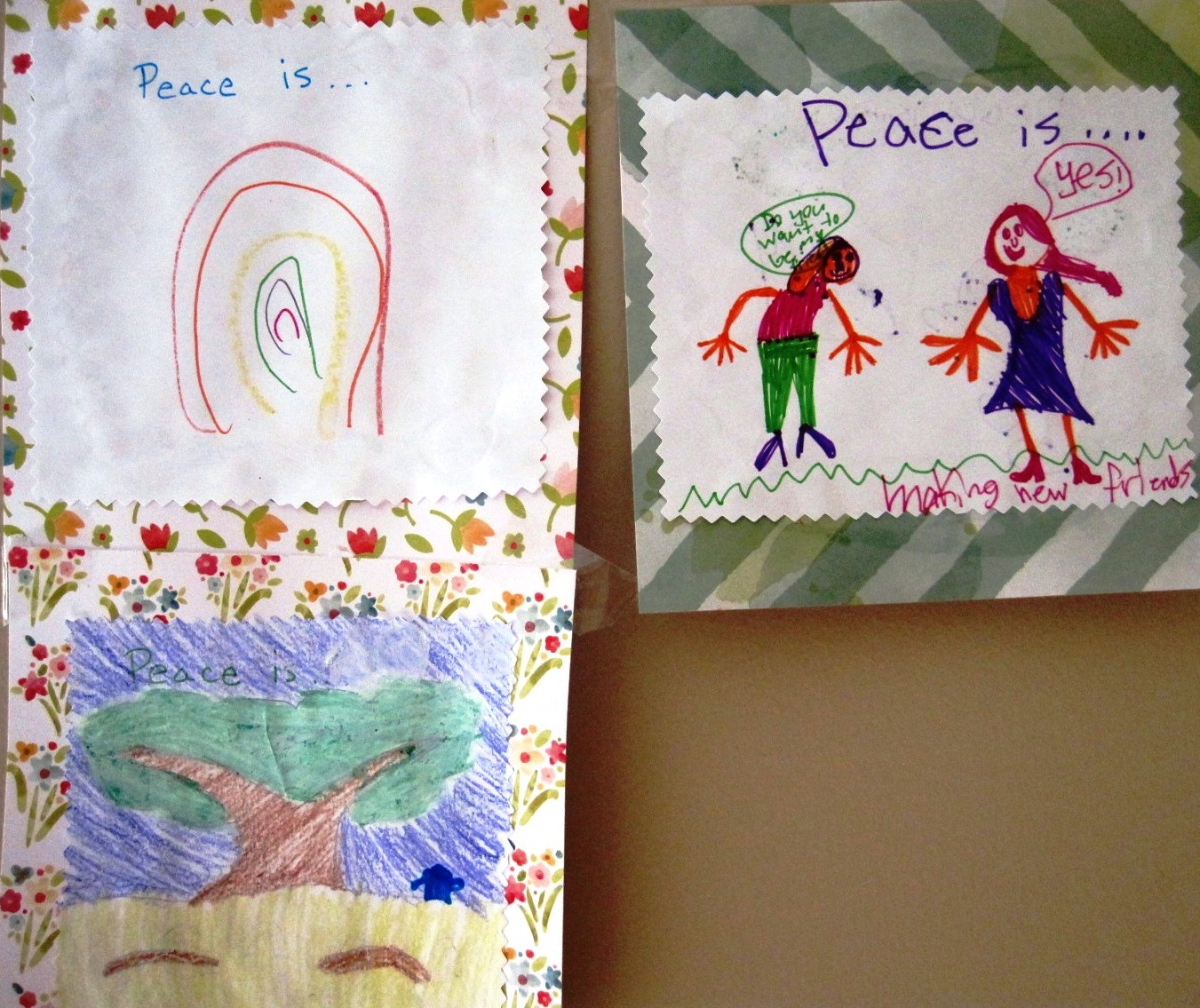
peace quilt

The Kindness Activity:  Family Peace Quilt.  Spend time with your family creating a visual pledge to build peas - er  - peace.

Big Hearted Families Book Club: Miss Tizzy

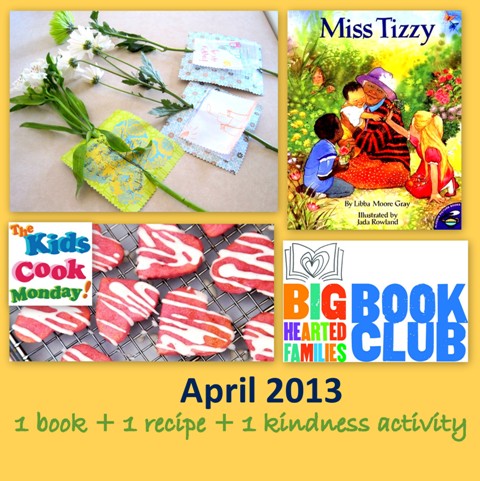
Transform  family night into a creative, fun, book-centered kindness practice!  1 book + 1 recipe + 1 kindness activity

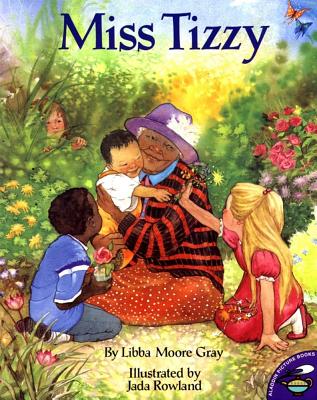
The book for April 2013 is Miss Tizzy by Libba Moore Gray.

Living in community with others may not feel like a special act of kindness, but the everyday joys we share with one another make life beautiful. And simple rituals with friends can be an incredible comfort during difficult times.

Miss Tizzy, with all of her colorful daily adventures, shares true friendship with the children in her community. When she becomes ill, the children offer her strength and support using all she taught them. Having fun with friends can be its own act of kindness.  Learn to share everyday joys with your community in these heart-warming activities.

Plus, you get to experiment with natural food coloring in the wonderful recipe provided by our friends at The Kids Cook Monday and created by Donna Kelly of Apron Strings.

If you are a subscriber, you've already received your beautiful book, the following materials, plus a shopping list, book suggestions for older readers, and a fun BHF book mark right in the mail.

Thank you for supporting our nonprofit work! If you would like to subscribe, download our order form here: BHF Order Form.

If you already own the book or would rather use your library, we invite you to download these materials for your own big-hearted family night! When you’re done, join us back here and share stories of your family night. Or join the discussion on our Facebook page!

Miss Tizzy by Libba Moore Gray


The Book Discussion: Conversation Starters for Miss Tizzy


Heart Beet Cookies


The Recipe: Heart Beet Cookies provided by our friends at The Kids Cook Monday and created by Donna Kelly of Apron Strings. Visit  The Kids Cook Monday for more great recipes for your young chefs.


Miss Tizzy Kindness Activity


The Kindness Activity:  Friendly Flower Cards Consider making the cards ahead of time, then attaching them to flowers and sharing them on May Day!

Big Hearted Families Book Club: Amos & Boris

Amos and Boris - March 2013 - Small

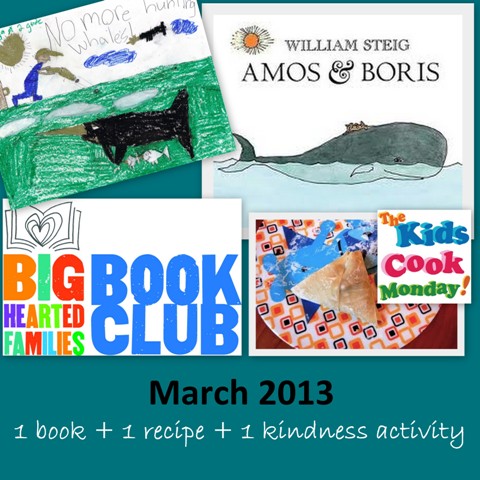
Transform  family night into a creative, fun, book-centered kindness practice! The book for March 2013 isAmos & Boris by William Steig.

This epic story of friendship is simply spellbinding. It has its roots in Aesop’s classic fable of the lion and the mouse, though in Steig’s rendition the backdrop is a harrowing ocean adventure.

Your family will discover how a tiny mouse can, in fact, come to the rescue of the whale he loves. How, you might ask? A little community organizing can solve almost any problem!  Make change yourself with our little animal advocacy project.

Plus, you’ll LOVE the wonderful recipe provided by our friends at The Kids Cook Monday and created by Cate of Tribecca Yummy Mummy.

If you are a subscriber, you've already received your beautiful book, the following materials, plus a shopping list, book suggestions for older readers, and a fun BHF book mark right in the mail.

Thank you for supporting our nonprofit work! If you would like to subscribe, download our order form here: BHF Order Form.

If you already own the book or would rather use your library, we invite you to download these materials for your own big-hearted family night! When you’re done, join us back here and share stories of your family night. Or join the discussion on our Facebook page!

amos and boris - steig
Sesame Spinach Dumplings

The Recipe: 

Sesame Spinach Dumplings Recipe provided by our friends at

The Kids Cook Monday 

and created by Cate of Tribecca Yummy Mummy.

animal advocacy
animal advocacy

The Kindness Activity: 

Amos & Boris Animal Advocacy Project.

Learn about your favorite endangered animal and advocate for them!

Top 5 Big-Hearted Books about Death

This tender subject is too often avoided in my house. Or maybe it comes up too often. As with everything else, there are times when we focus and talk about this a lot, and times when it nearly disappears from our thoughts. Obviously, death is a natural part of life. It is a painful part of life, and love, and empathy. When the children have questions about this heavy subject, I do my very best to answer them earnestly, honestly, and bravely.

Our calico kitty suddenly passed away last week, only a year after we adopted her, bringing the topic of death and dying back to the forefront of our minds. Here are a few beautiful books to help your family begin a conversation about death, and life too.


The Next Place

The Next Place

The Next Place by Warren Hanson  

(Waldenhouse Press, 1997) 

This simple non-denominational poem beautiful expresses the release, relief, and freedom death might bring. My children have returned to this book many times over the years. It certainly is more abstract and artful than instructional, but it has brought us peace many times.

water bugs and dragon flies

Water Bugs and Dragonflies: Explaining Death to Young Children by Doris Stickney (Pilgrim Press, 2012).

Stickney adapted a graceful fable about a water bug that changed into a dragonfly in order to explain death to a five-year-old. This book is more traditionally religious than The Next Place.My family was most interested in the metaphor of the dragonfly larva, who live below the surface of the water, and the adult dragonflies, to illustrate the notion of someone going beyond our sight, to a marvelous place.

the fall of freddie the leaf

The Fall of Freddie the Leaf: a story of Life for all Ages by Leo Buscaglia (Slack Incorporated, 1982).

This classic story  is perfect, both simple and comforting. A little leaf named Freddie and his companion leaves change with the passing seasons, finally falling to the ground with winter's snow. As an avid gardener, I use nature often to teach kids about the circle of life and death. This book makes that analogy come alive.

lifetimes
lifetimes

Lifetimes: The Beautiful Way to Explain Death to Childrenby Bryon Mellonie (Bantam, 1983).

"All around us, everywhere, beginnings and endings are going on all the time. With living in between." This is a book to fall in love with, a book to read even when death is not a major topic around the house.

tenth good thing about barney

The Tenth Good Thing About Barney by Judith Viorst (Atheneum Books for Young Readers, 1987).

This book is on the secular end of the spectrum. The writing is beautiful, the story is simple, and my children found it extremely comforting. They've been preparing their lists of good things about their own cat for our own kitty memorial service.

Please share your recommendations. I realize the topic of death is deeply entwined with personal spiritual beliefs, so feel free to share whatever speaks to you and your family. There are likely many others just like you who will be grateful for an additional resource.

3 Service Projects to Welcome Spring

Perhaps we can make spring happen through sheer force of will. Up here in Minnesota, the world is white as far as we can see. Little Miss 5 shook her head at it this morning, declaring "I will not be going outside again unless it's spring or fall or summer. I'm done with snow now."

Are you also longing for the joys of spring? Or are you shaking your head at us northerners, wondering why we live way up here?

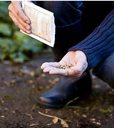
Either way, here are three sweet and simple projects that will have you thinking spring and sharing kindness as a family, even if your weather isn't cooperating.A man sowing seeds

  1. Seeds for Change: Collect seeds to send to families who want to start their own gardens, thus providing a supply of fresh, nutritious produce. There's no better time to help people prepare to garden.
  2. Plant a Row for the Hungry: Designate the bounty from one row of your garden to donate to a local food shelf. Buy your seeds now, along with peat pots (or make pots from objects in your recycle bin),  and start your seeds inside.
  3. Birdseed Cookies: Making a batch of bird treats is a fun way to care for your local bird population. Is it me, or have the birds been singing louder, longer, and more hopefully lately. Spring is in the air, and this is a great way to welcome it into full swing!


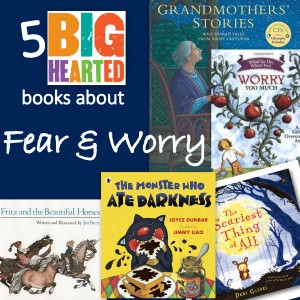
Top 5 Big-Hearted Books about Fear and Worry

Children who understand emotions are more likely to act kindly toward others. They're also better able to express themselves, helping others understand their own needs. Fear and worry are particularly tricky emotions. We all, young and old, have a tendency to mask fear with anger or worry with aggression. Understanding these difficult feelings and learning to cope with them is a lifelong undertaking.
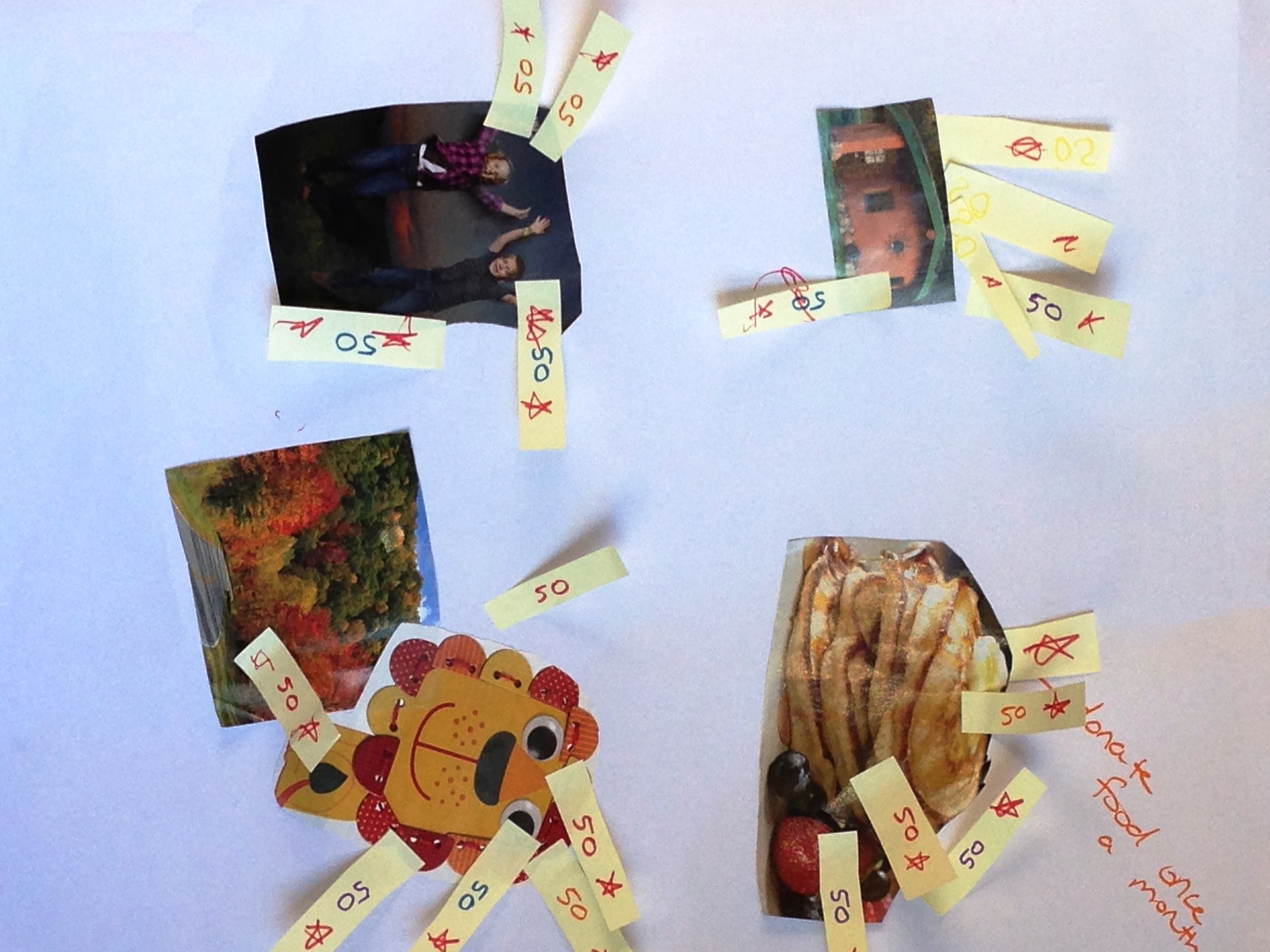
Begin today with these five wonderful picture books.

Top 5 Books about Fear and Worry

Parents, you can prepare yourself for a variety of big conversations with the book Dealing with Disappointment: Helping Children Cope when Things Don't Go Their Way  by Elizabeth Crary. Though the title focuses on disappointment, this book is full of practical tips to help a worrying child put that fear and uncertainty to rest.

Also, for older children looking for a great chapter book on this issue, check out the series The Incorrigible Children of Ashton Place by Maryrose Wood. These creative stories are full of mystery and endless lessons in courage and bravery.

what to do when you worry too much What to Do When You Worry Too Much: A Kid’s Guide to Overcoming Anxiety by Dawn Huebner (Magination Pr, 2005) Ages 6 and up.

This is really a 'coping with worry' handbook, overflowing with examples and activities to get kids thinking about how to handle their worrying. I found this useful for my oldest daughter, who is especially prone to worry.


scariest thing of all image


The Scariest Thing of All  by Debi Gliori (Walker Childrens, 2012) Ages 3 and up.

This book is wonderful for very young readers. Pip the rabbit is afraid of lots of things—until he gets lost in the woods, right in front of the Scariest Thing of All! But when Pip confronts his fears, he finds courage in the most unlikely of places: inside himself.


the monster who ate darkness


The Monster Who Ate Darkness by Joyce Dunbar (Candlewick, 2008) Ages 3 and up.

A monster that eats darkness stew?  This is a fun, rather silly book with an endlessly big-hearted conclusion. You can start a big-hearted conversation about that "empty feeling" the monster was so concerned about, and explore many other big ideas about fear, darkness, friendship, and hope after reading this wonderful story.


fritz


Fritz and the Beautiful Horses by Jan Brett. Boston (Houghton Mifflin, 1981) Ages 4 and up.

Jan Brett beautifully illustrates the story of Fritz, a pony excluded from the group of beautiful horses within the walled city. Fritz becomes a hero when he rescues the children of the city. The adventures of Fritz provide many opportunities to talk about the loneliness of exclusion, and the value of personal fortitude over superficial beauty.


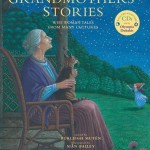
the old woman who was not afraidGrandmother Stories: Wise Women Tales from Many Cultures by Burleigh Muten ("The Old Woman Who Was Not Afraid") (Barefoot books, 2006).  Ages 4 and up.

This treasury is wonderful. I've mentioned it in detail before (click here for the post). This collection of stories has been a favorite in our house for years. The story "The Old Woman Who Was Not Afraid" has captured Little Miss 5's imagination. Whenever she talks about something frightening, she parrots the woman in this story. "But I am not afraid," she declares, squaring her shoulders and jutting out her chin. In the story, the woman teaches us that brains and patience are all the tools we need to solve any problem and overcome any frightening situation.

Do What You Can

Theodore-Roosevelt-quotes

Theodore-Roosevelt-quotes

This weekend, my family spent a time together as philanthropists. We identified spending priorities. We figured out what we could afford to give. Ultimately, we cast votes to allocate our spending. I must say, we should send our big-hearted kids, yours and mine, to Washington sooner rather than later. They may sort a few things out! Seriously, we did enjoy our morning as family philanthropists.  Donating time is more of  challenge these days than donating a bit of treasure. After spending time  on The Global Rich List, our responsibility to make charitable contributions became even more apparent.

Visit The Global Rich List with your family.

First ask your children what they think "rich" looks like.

My own daughters tossed out maids, butlers, limousines, and gold dollar signs worn on chains. I have to admit to sharing their stereotypes. Though I feel incredibly fortunate, the word rich does not come into my thoughts often.

Then, simply enter your currency and approximate annual income into the site and scroll down for some incredible, animated information.

The results are really educational, and they helped set the perfect tone for our family's conversation about charitable donations.

Become your own family foundation

Become your own family foundation

Become Your One Small Family Foundation.

This is the second year we've taken charitable contributions so seriously. We spent time talking with the kids about what types of problems we want our donations to help solve. We didn't get into the details of which specific organization we would chose - my partner and I wanted dibs on that job. We did let them choose where a portion of the money would be spent.

Next week, we plan to spend time brainstorming ways we can do good together  on each of  the issues we contributed to: local hunger, homelessness, environmental protection, and international human rights. I'll let you know how that conversation goes.

How have you brought up the idea of charitable donations with your children?

Season of Giving Thanks

Jessica Young (2)
Jessica Young (2)

Ideas for Thanking the Volunteers in Your Life

Today's guest blogger is Jessica Young, the Community Manager for VolunteerSpot.com.  VolunteerSpot’s free online coordination tool helps families, schools and community groups organize quickly and easily to make a difference.

The Thanksgiving table beckons the age-old tradition of going around person by person, no matter how young or how old, and sharing those people and things for which we are thankful. Though brief, this time connects the family to the underlying spirit of the season – to be thankful, in all respects, and to turn that appreciation into action where possible.

Our families’ lives, and especially those of our children, are filled with individuals and groups whose selfless time, talents and resources make for a life worth living.  Inspire your family to embrace this season of THANKS by showing their love and gratitude for the “volunteers” in their life.

  • Clubs – While extra-curriculars can often-times seem like a whirlwind of pick-ups, drop-offs and carpools, it is the leaders, teachers and instructors who make it worthwhile, whether it’s for drama, chess club, band, mathletes, science club, you name it! Commit your family to service by pitching in to help with a holiday event, tournament, or even set up, clean up, or snack time for the weekly gathering.
  • Team Sports – As fall sports wind down and winter sports kick into gear, think about all the time your kid’s coach spent teaching and encouraging your child with soccer, swimming, baseball or dance. Offer to help organize an end-of-season celebration for the team, think treats to trophies, and provide special recognition for the coach who made all the difference!  Tip: VolunteerSpot’s free online signup sheets make it easy for team parents to coordinate quickly snack schedules, end of season parties, and more.
  • Scouts —If your kids are in Girl or Boy Scouts, ask the leader what you can do to help in December with service or holiday themed meetings. Can you shop for supplies, help with a service project, bring snacks or rally parents for a troop potluck?
  • Worship Leaders—From Sunday school teachers to youth group leaders, pastors, and committee chairs, find a way to say thank you this year to the important people in your world of worship. Explore fun technology and record a short video of congregation members or youth saying thank you, or make a slide show with pictures and text to email out with the monthly newsletter.
  • Nonprofit Volunteers—Which organizations and causes are important to you and your family?  Call and ask how you can help – often nonprofits need extra hands during the holiday season. If donating your physical presence directly is not possible, consider baking a treat, writing thank you notes or gathering small gift cards as tokens of gratitude for the volunteer leaders at the causes you care about.
  • Community Volunteers—Think about all the festivals, carnivals, parades, and various holiday occasions where hosts of volunteers sweep in to create memorable events for your whole community!  It might be impractical to thank them all, but you could write a thank you letter to your Chamber of Commerce, or write an open letter with your family to the editor of your city newspaper thanking all the people that help make your community special.

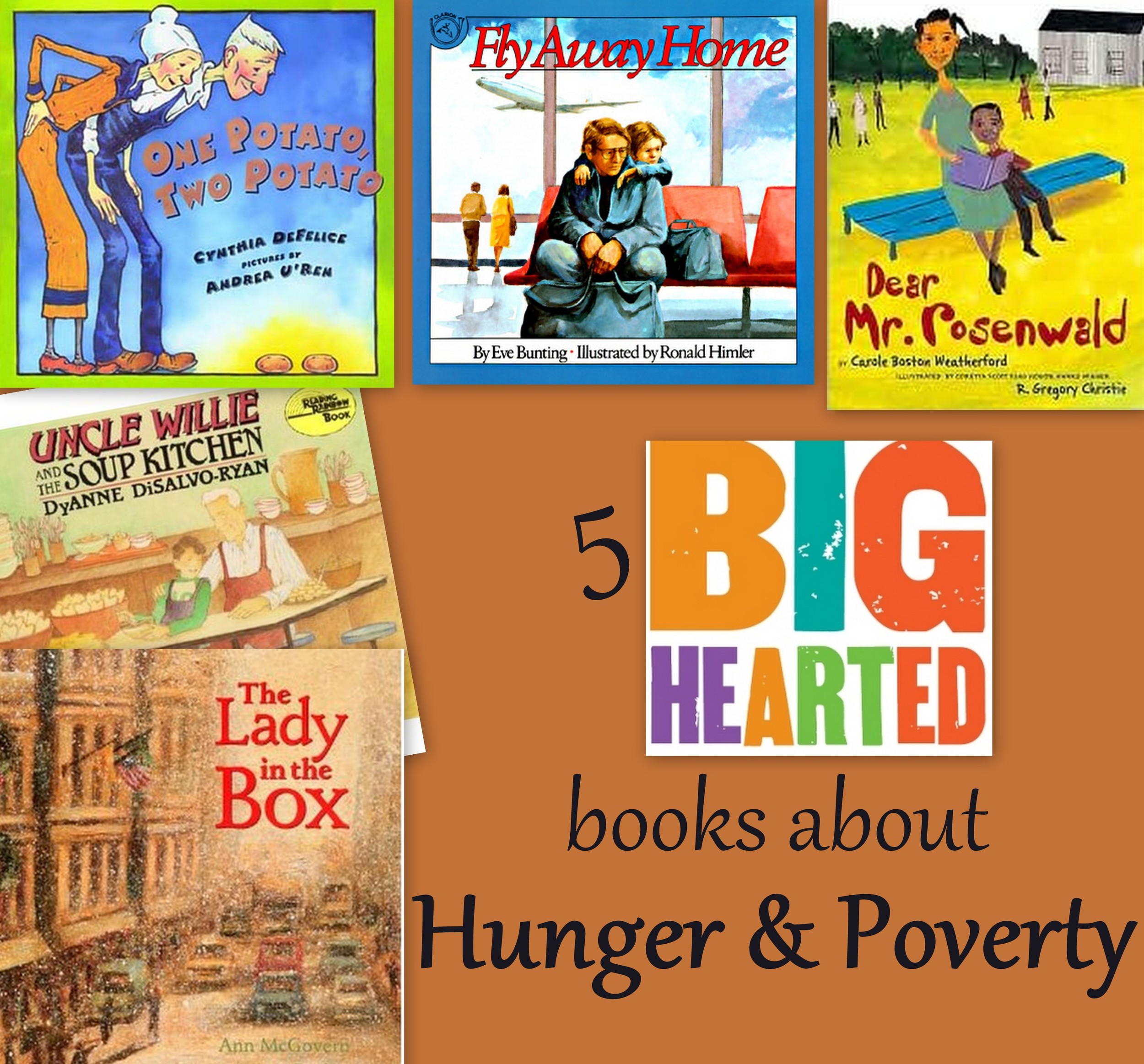
5 Big-Hearted Books about Hunger & Poverty in the USA

As America faces record poverty rates and increasing income disparities, it becomes more and more important that we take action in whatever ways we can. Big-Hearted Families has an impressive and diverse list of project ideas to Fight Poverty with your family. Nothing inspires action quite as much as a good story, which is why we've assembled this short list of our favorite books on the subect.

These 5 picture books about hunger and poverty will help you bring up this difficult subject in a thoughtful way. Plus, they are each excellent stories.

Here are some conversation starters to make the most of your experience:

  • How would you feel if you had to rely on a stranger to provide your lunch every day?
  • How does it feel when you are hungry and you have to wait to eat?
  • What are ways we could help those who are hungry?
  • What do you think would be the hardest part of not having a home?
  • If you did not have a place to live, what things would be most important to you? Where would you sleep? How would you stay clean?
  • What things are you grateful for? Are these things you need to live or things that are simply nice to have?

Older readers (8 to 12) may enjoy Along Came a Dog by Meindert DeJong, illustrated by Maurice Sendak, about the unlikely friendship between a little red hen and a homeless dog.

Here are some of my favorite picture books that will start a big-hearted conversation about hunger and poverty:


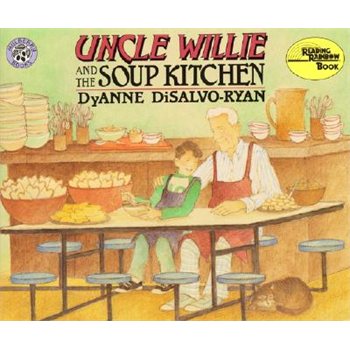
Uncle Willie and the Soup Kitchen by DyAnn DiSalvo-Ryan (Morrow.

A young boy who is afraid of homeless people gains a new perspective when he helps his uncle work at the soup kitchen.


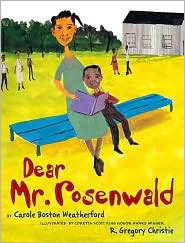
Dear Mr. Rosenwald, by Carole Boston Weatherford (Scholastic).

This book is based on actual events in the 1920s, when a philanthropist - the founder of Sears - offered money to African American communities to build schools—but only after they raised money themselves. For an impoverished community, this was a difficult task. This story of how they achieved it is very inspiring.


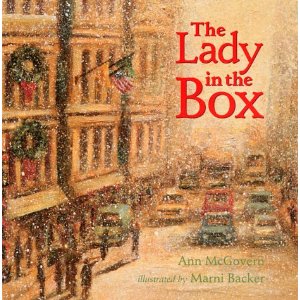
The Lady in the Boxby Ann McGovern (Turtle Books).

It is wintertime in the city and freezing cold, but not everyone is inside and warm. Ben and his sister Lizzie know that there is a lady who lives outside in a box over a warm air vent. The children worry about the kind-looking lady, and begin sneaking food and clothes out of their apartment for her. Gently told and powerfully illustrated in rich hues, The Lady in the Box deals candidly with the issue of homelessness.


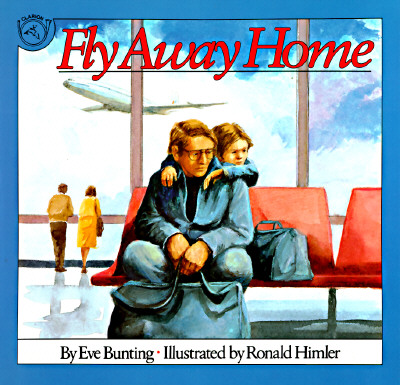
Fly Away Home by Eve Bunting (Clarion Books).

This heart-wrenching yet hopeful book follows a boy and his father through their daily routines as they shelter in an airport, obviously before airline security become so strict. This is book especially fostered a lot of conversation in my house. It perfectly presents the heartbreak of being a homeless child in a non-threatening, non-frightening way.


One Potato, Two Potato by Cynthia DeFelice (Farrar).

For a more whimsical approach to the issues of hunger and sharing, this folktale while entertain and edify any audience. It's a variation on the theme of a magic pot, featuring a community pulling together. It's a new favorite.